
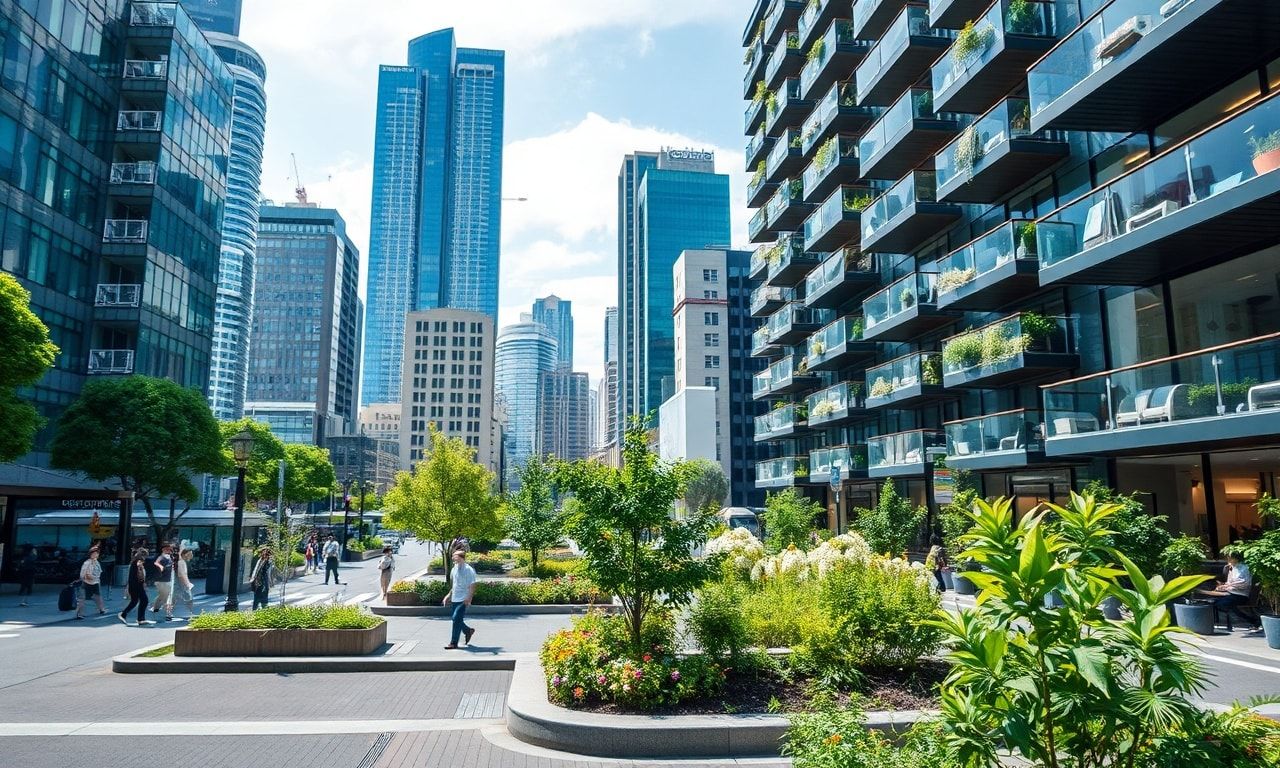

The Rise of Sustainable Urban Living
The world is witnessing a significant shift towards sustainable urban living, as cities around the globe strive to reduce their carbon footprint and promote eco-friendly practices. This movement is driven by a combination of environmental awareness, technological advancements, and a growing demand for healthier living spaces. From green buildings to sustainable transportation, cities are implementing innovative solutions to create more livable and environmentally responsible urban environments.
Green Buildings and Urban Design
One of the key aspects of sustainable urban living is the construction of green buildings. These structures are designed to minimize energy consumption, reduce waste, and utilize renewable resources. Cities like Copenhagen, Denmark, have set ambitious goals to become carbon neutral by 2025, with a significant focus on green building practices. Similarly, New York City has implemented the NYC Green New Deal, aiming to reduce greenhouse gas emissions and create a more sustainable urban landscape.
Urban design also plays a crucial role in promoting sustainability. The integration of green spaces, such as parks and community gardens, not only enhances the aesthetic appeal of cities but also contributes to better air quality and biodiversity. For instance, the High Line in New York City is a prime example of urban redevelopment that combines green spaces with public amenities, creating a unique and sustainable urban experience.
Sustainable Transportation
Transportation is another critical area where cities are making strides towards sustainability. The adoption of electric vehicles (EVs) and the expansion of public transportation networks are key initiatives in reducing emissions and traffic congestion. Cities like Amsterdam and Oslo have implemented extensive bike-sharing programs and pedestrian-friendly zones, encouraging residents to opt for greener modes of transportation.
In addition to EVs and public transport, the development of smart city technologies is revolutionizing urban mobility. Smart traffic management systems, real-time data analytics, and autonomous vehicles are being tested in cities like Singapore and Barcelona, aiming to optimize traffic flow and reduce environmental impact. These innovations not only enhance the efficiency of urban transportation but also contribute to a more sustainable future.
Circular Economy and Waste Management
The concept of a circular economy, where resources are reused and recycled, is gaining traction in urban planning. Cities are increasingly focusing on waste management strategies that minimize landfill use and promote recycling. For example, San Francisco has set a goal to achieve zero waste by 2030, implementing comprehensive recycling and composting programs to divert waste from landfills.
Innovative waste-to-energy technologies are also being explored, converting waste into usable energy sources. Cities like Tokyo and London are investing in advanced waste management facilities that utilize anaerobic digestion and incineration to generate electricity and heat. These initiatives not only reduce the environmental impact of waste but also contribute to energy sustainability.
Community Engagement and Education
Sustainable urban living is not just about infrastructure and technology; it also involves community engagement and education. Cities are increasingly involving residents in sustainability initiatives, through community workshops, educational programs, and public awareness campaigns. For instance, the останні новини про ремонт спалень в києві highlights the importance of community involvement in urban sustainability projects, emphasizing the role of local residents in driving change.
Educational institutions are also playing a vital role in promoting sustainable practices. Schools and universities are incorporating sustainability into their curricula, teaching students about the importance of environmental stewardship and sustainable living. By fostering a culture of sustainability from a young age, cities can ensure that future generations are equipped to address environmental challenges.
The Future of Sustainable Urban Living
As cities continue to grow and evolve, the need for sustainable urban living becomes increasingly urgent. The integration of green technologies, sustainable transportation, and circular economy practices is essential for creating livable and environmentally responsible cities. By embracing innovation and community engagement, cities can pave the way for a more sustainable future.
The journey towards sustainable urban living is a collective effort, requiring collaboration between governments, businesses, and residents. As cities around the world continue to implement innovative solutions, the vision of sustainable urban living becomes more achievable, ensuring a healthier and more sustainable planet for future generations.
To gain a comprehensive understanding of the latest shifts in the global economy and Turkey’s position within it, consider reviewing recent economic developments and Turkey’s status.
As cities continue to evolve, understanding the intricacies of urban life becomes increasingly important; our latest feature, a guide to urban living, offers an in-depth look at these challenges.
As the construction industry evolves, key trends emerge in 2023 that are reshaping the sector’s future.