
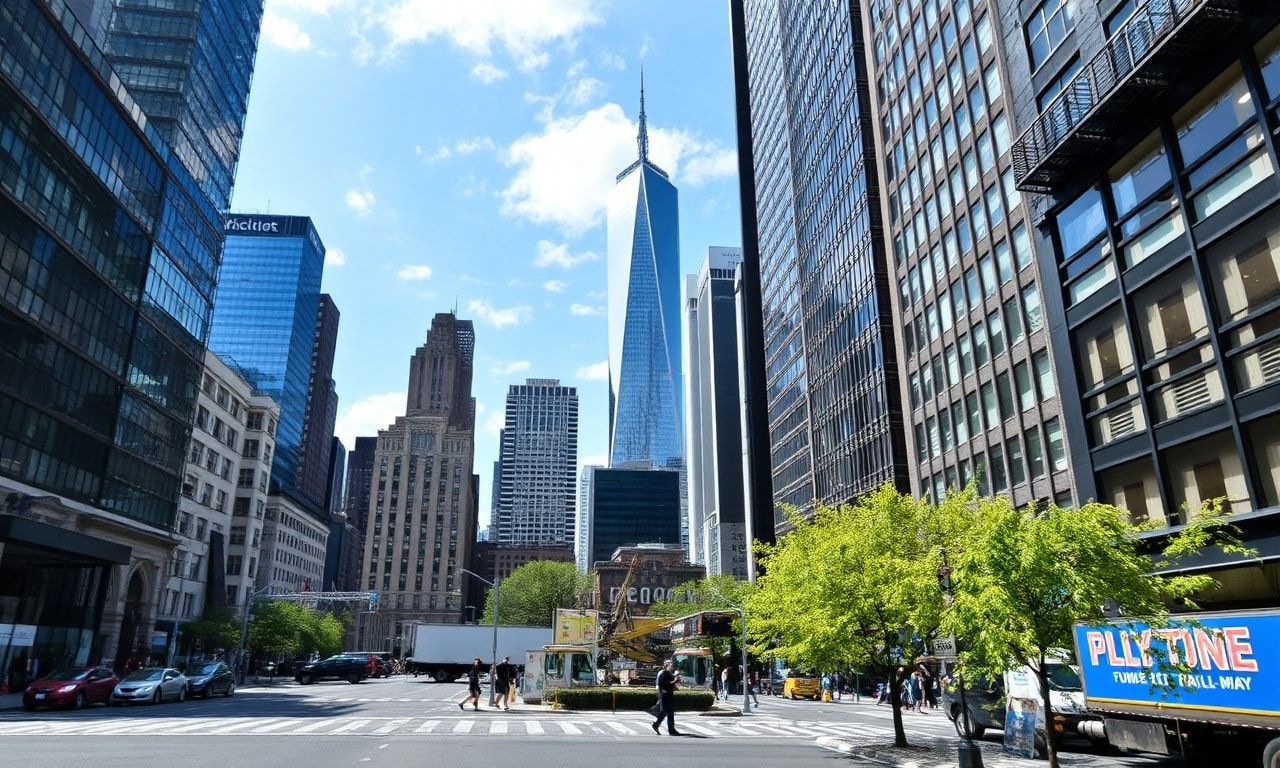

The Transformation of New York City’s Skyline
New York City, often referred to as the city that never sleeps, is undergoing a significant transformation. The skyline, a symbol of the city’s ambition and progress, is constantly evolving. Recent developments have seen the rise of new architectural marvels that are reshaping the city’s horizon. These changes are not just about aesthetics; they represent the city’s commitment to sustainable urban development and technological innovation.
Among the latest additions is the Hudson Yards project, a massive mixed-use development that has introduced new residential towers, commercial spaces, and public amenities. The project, which includes the iconic Vessel, a honeycomb-like structure that has become a popular tourist attraction, is a testament to the city’s forward-thinking approach to urban planning. The development has also sparked discussions about the future of New York City and how it can continue to grow while preserving its unique character.
The Impact on Local Communities
The rapid pace of development in New York City has had a profound impact on local communities. While new projects bring economic opportunities and revitalize neighborhoods, they also raise concerns about gentrification and the displacement of long-time residents. The city’s administration is grappling with these challenges, implementing policies aimed at balancing growth with affordability and inclusivity.
One such initiative is the Housing New York plan, which aims to create and preserve affordable housing units across the city. The plan, which has set a goal of financing the construction and preservation of 200,000 affordable units by 2025, is a crucial step in ensuring that the benefits of the city’s growth are shared equitably. However, critics argue that more needs to be done to address the housing crisis, particularly in the face of rising rents and property values.
Crime and Safety: A Complex Landscape
Crime and safety remain critical issues for New York City residents. While the city has seen a significant decline in crime rates over the past few decades, recent trends have raised concerns. The New York Police Department (NYPD) has been working to address these challenges, implementing new strategies and technologies to enhance public safety.
One of the key areas of focus is the use of data-driven policing, which involves analyzing crime patterns and deploying resources accordingly. This approach has been credited with improving response times and reducing crime rates in certain areas. However, it has also faced criticism for potentially leading to over-policing in minority communities. The city continues to grapple with these complex issues, seeking a balance between effective law enforcement and the protection of civil liberties.
For those interested in staying informed about the latest developments in crime and justice, resources like suç ve ceza haberleri güncel provide valuable insights and updates. These platforms play a crucial role in keeping the public informed and fostering a more transparent and accountable criminal justice system.
The Role of Technology in Shaping the Future
Technology is playing an increasingly important role in shaping the future of New York City. From smart city initiatives to the integration of renewable energy sources, the city is leveraging technology to address its most pressing challenges. One notable example is the LinkNYC project, which has replaced traditional payphones with free public Wi-Fi kiosks. These kiosks not only provide high-speed internet access but also offer a range of services, including free phone calls, device charging, and access to city information.
The city’s commitment to sustainability is another area where technology is making a significant impact. The NYC Carbon Neutral Plan, for instance, aims to reduce greenhouse gas emissions by 80% by 2050. This ambitious goal is being pursued through a combination of energy-efficient building practices, the adoption of renewable energy sources, and the promotion of sustainable transportation options. These efforts are not only crucial for combating climate change but also for ensuring the long-term viability of the city.
Cultural and Social Dynamics
New York City’s cultural and social landscape is as diverse as its population. The city is home to a rich tapestry of communities, each contributing to the city’s vibrant cultural scene. From world-class museums and theaters to vibrant street art and music festivals, the city offers a wealth of cultural experiences that reflect its multicultural heritage.
However, this diversity also presents challenges. The city’s administration is working to promote inclusivity and social cohesion, recognizing the importance of fostering a sense of belonging among all residents. Initiatives such as the NYC Unity Project, which aims to create affordable housing for LGBTQ+ seniors, are examples of the city’s commitment to addressing the unique needs of its diverse population. These efforts are crucial for ensuring that New York City remains a place where everyone can thrive.
In conclusion, New York City is a city of contrasts and contradictions. It is a place of immense opportunity and challenge, where the past and the future coexist. As the city continues to evolve, it will be important for residents, policymakers, and community leaders to work together to shape a future that is inclusive, sustainable, and prosperous for all.
To gain a unique insight into how international news shapes local communities, consider exploring Liverpool’s view on global events.
For more insights on this topic, you might find The Future of E-Commerce: Wireless Charging particularly informative.
For a deeper understanding of this topic, Navigating the Future of Work: Key offers valuable insights worth exploring.