
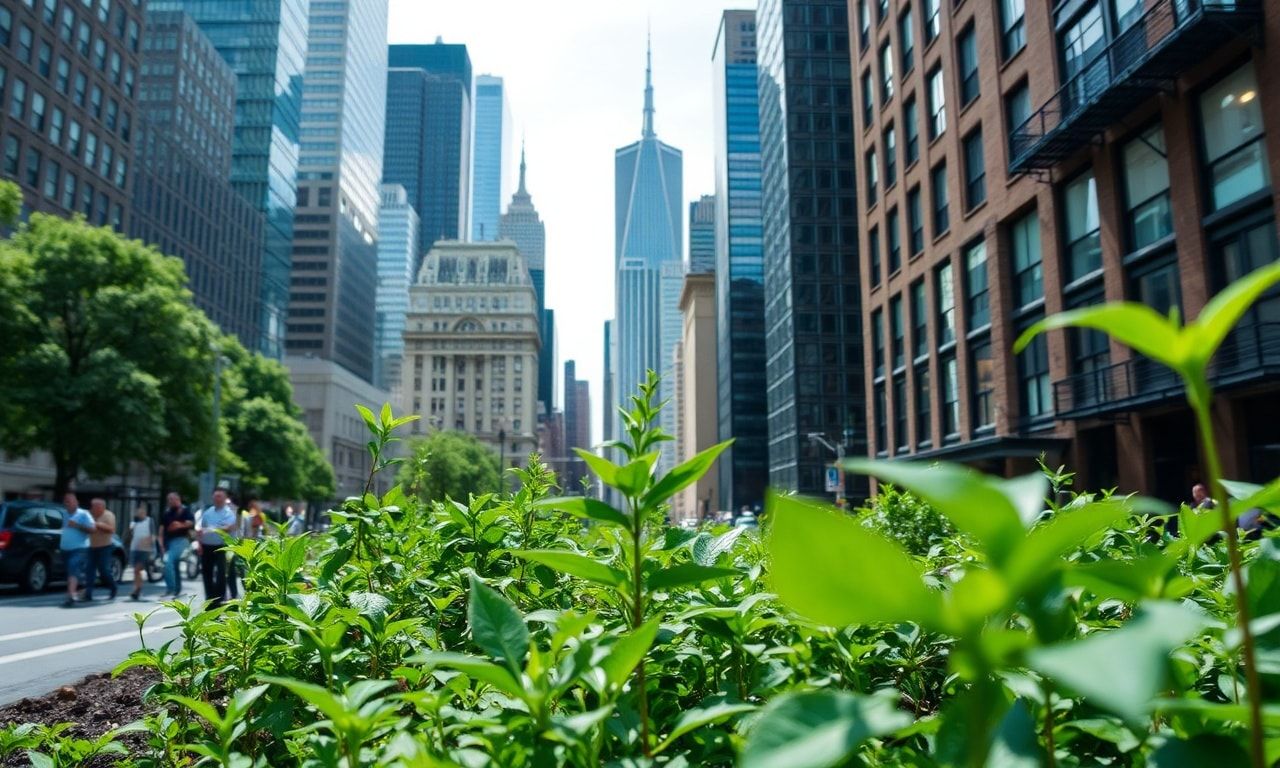

The Vision Behind the Green Initiative
New York City, a bustling metropolis known for its towering skyscrapers and vibrant culture, is embarking on an ambitious journey towards sustainability. The city’s Green Initiative, launched earlier this year, aims to transform the urban landscape into a greener, more resilient, and healthier environment. This comprehensive plan encompasses a wide range of strategies, from reducing carbon emissions to promoting sustainable practices in daily life.
Key Components of the Green Initiative
The Green Initiative is built on several key pillars, each addressing a critical aspect of urban sustainability. These include:
- Carbon Neutrality: Achieving carbon neutrality by 2050 through the adoption of renewable energy sources and energy-efficient technologies.
- Green Spaces: Expanding and maintaining green spaces to improve air quality and provide recreational areas for residents.
- Waste Management: Implementing advanced waste management systems to minimize landfill use and promote recycling and composting.
- Sustainable Transportation: Encouraging the use of public transportation, cycling, and electric vehicles to reduce traffic congestion and emissions.
- Community Engagement: Involving local communities in the planning and implementation of green projects to ensure widespread support and participation.
Renewable Energy Adoption
One of the cornerstones of the Green Initiative is the transition to renewable energy sources. The city has set a goal to source 100% of its electricity from renewable sources by 2040. This ambitious target is being pursued through various means, including the installation of solar panels on public buildings, the development of offshore wind farms, and the exploration of geothermal energy options. The city is also investing in energy storage technologies to ensure a stable and reliable power supply.
Expanding Green Spaces
Green spaces play a crucial role in improving the quality of life in urban areas. The Green Initiative includes plans to create new parks, expand existing ones, and transform underutilized spaces into vibrant green areas. These efforts not only enhance the aesthetic appeal of the city but also provide numerous environmental benefits, such as reducing the urban heat island effect and improving air quality. Additionally, green spaces serve as vital habitats for local wildlife and contribute to the overall biodiversity of the city.
Waste Management Innovations
Effective waste management is essential for maintaining a clean and sustainable urban environment. The Green Initiative introduces innovative waste management strategies, including the implementation of smart waste bins that optimize collection routes and reduce operational costs. The city is also promoting composting programs to divert organic waste from landfills and convert it into valuable compost for urban gardens and parks. Furthermore, the initiative encourages residents and businesses to adopt sustainable practices, such as reducing single-use plastics and increasing recycling rates.
Promoting Sustainable Transportation
Transportation is a significant contributor to carbon emissions in urban areas. To address this issue, the Green Initiative focuses on promoting sustainable transportation options. The city is expanding its public transportation network, including the introduction of electric buses and the development of new subway lines. Cycling infrastructure is also being enhanced with the creation of dedicated bike lanes and the implementation of bike-sharing programs. Additionally, the initiative encourages the adoption of electric vehicles through incentives such as tax credits and the installation of charging stations.
Community Engagement and Education
The success of the Green Initiative relies heavily on community engagement and education. The city is actively involving residents, businesses, and educational institutions in the planning and implementation of green projects. Community workshops, public forums, and educational programs are being organized to raise awareness about the importance of sustainability and to encourage active participation in green initiatives. By fostering a sense of ownership and responsibility, the city aims to create a culture of sustainability that will endure for generations.
Challenges and Opportunities
While the Green Initiative presents numerous opportunities for improving the sustainability of New York City, it also faces several challenges. One of the main obstacles is the high cost of implementing green technologies and infrastructure. However, the city is exploring various funding options, including public-private partnerships and green bonds, to finance these projects. Another challenge is the need for behavioral change among residents and businesses. Education and awareness campaigns are crucial in promoting sustainable practices and encouraging widespread adoption.
Despite these challenges, the Green Initiative offers a unique opportunity for New York City to become a global leader in urban sustainability. By setting ambitious goals and implementing innovative strategies, the city can serve as a model for other urban areas striving to create a greener and more sustainable future. As part of this effort, the city is also exploring international collaborations and knowledge-sharing initiatives to leverage global expertise and best practices.
For those interested in natural health products and their role in sustainable living, the doğal sağlık ürünleri inceleme 2026 güncel güncelleme güncel güncelleme güncel güncelleme provides valuable insights and updates on the latest trends and innovations in this field.
Conclusion
The Green Initiative represents a bold and visionary approach to transforming New York City into a sustainable urban environment. Through a combination of renewable energy adoption, green space expansion, waste management innovations, sustainable transportation, and community engagement, the city is taking significant steps towards achieving its sustainability goals. While challenges remain, the opportunities for creating a greener and healthier future are immense. By embracing the principles of sustainability, New York City can set a powerful example for other cities around the world.
In the realm of healthcare advancements, a new report highlights Turkey’s latest developments in patient care and medical technology.
In the fast-paced world of digital journalism, staying updated with the latest entertainment trends is crucial; discover how to efficiently access and enjoy your preferred content with downloading entertainment content effectively.