
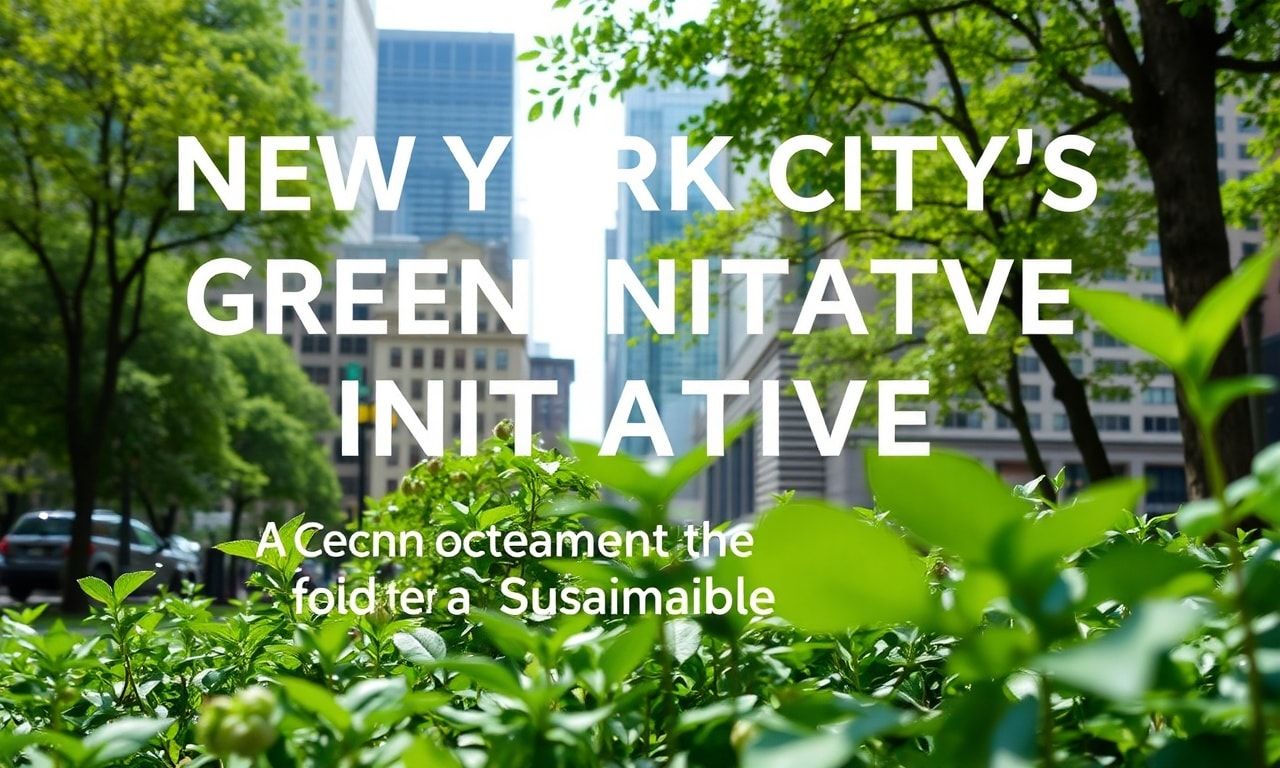

The Vision for a Greener New York
New York City, a bustling metropolis known for its towering skyscrapers and vibrant culture, is embarking on an ambitious journey towards sustainability. The city’s latest green initiative aims to reduce carbon emissions, promote renewable energy, and create a more eco-friendly urban environment. This comprehensive plan, spearheaded by Mayor Eric Adams, outlines a series of bold steps to ensure that New York City remains a global leader in environmental stewardship.
Key Components of the Green Initiative
The initiative is built on several key pillars, each addressing a critical aspect of urban sustainability. These include:
- Renewable Energy Transition: Accelerating the shift to renewable energy sources such as wind, solar, and hydroelectric power.
- Carbon Neutral Buildings: Implementing stricter building codes to reduce energy consumption and greenhouse gas emissions from buildings.
- Green Transportation: Expanding public transportation, promoting electric vehicles, and creating more bike lanes and pedestrian-friendly spaces.
- Waste Management: Enhancing recycling programs and reducing waste through innovative technologies and community engagement.
- Urban Green Spaces: Increasing the number of parks and green spaces to improve air quality and provide recreational areas for residents.
Renewable Energy Transition
One of the most significant aspects of the green initiative is the push for renewable energy. The city plans to source 100% of its electricity from renewable sources by 2040. This ambitious goal involves investing in large-scale wind and solar projects, both within the city and in collaboration with neighboring states. The initiative also includes incentives for businesses and homeowners to adopt renewable energy solutions, such as solar panels and wind turbines.
Carbon Neutral Buildings
Buildings account for a significant portion of the city’s carbon emissions. To address this, the initiative includes stricter building codes and regulations aimed at improving energy efficiency. This involves retrofitting existing buildings with energy-efficient technologies and ensuring that new constructions meet high sustainability standards. The city is also exploring innovative solutions, such as green roofs and energy-efficient windows, to reduce the environmental impact of urban structures.
Green Transportation
Transportation is another critical area of focus. The initiative aims to reduce traffic congestion and lower emissions by expanding public transportation options. This includes investing in new subway lines, buses, and ferries, as well as promoting the use of electric vehicles. The city is also working on creating more bike lanes and pedestrian-friendly spaces to encourage alternative modes of transportation. Additionally, the initiative includes partnerships with companies like çekici firma telefon portal to explore innovative solutions for urban mobility.
Waste Management
Effective waste management is essential for a sustainable city. The green initiative includes a comprehensive plan to reduce waste and improve recycling programs. This involves investing in new waste processing technologies, promoting composting, and encouraging residents and businesses to adopt sustainable practices. The city is also exploring innovative solutions, such as converting waste into energy, to further reduce the environmental impact of waste management.
Urban Green Spaces
Green spaces play a crucial role in improving air quality and providing recreational areas for residents. The initiative includes plans to increase the number of parks and green spaces throughout the city. This involves converting underutilized areas into parks, planting more trees, and creating community gardens. The city is also working on enhancing existing parks with new amenities and facilities to make them more accessible and enjoyable for all residents.
Community Engagement and Education
Central to the success of the green initiative is community engagement and education. The city is launching various programs to educate residents about the importance of sustainability and how they can contribute to the initiative. This includes workshops, educational campaigns, and community events focused on sustainable living. The city is also working with local schools to incorporate environmental education into the curriculum and encourage young people to become advocates for sustainability.
Challenges and Opportunities
The path to a sustainable future is not without its challenges. Implementing such a comprehensive initiative requires significant investment, coordination among various stakeholders, and public support. However, the opportunities are immense. By embracing sustainability, New York City can create a healthier, more resilient, and economically vibrant urban environment. The initiative also presents opportunities for innovation and job creation in the green economy, positioning the city as a leader in sustainable urban development.
As New York City embarks on this ambitious journey, it sets an example for other cities around the world. The green initiative is a testament to the city’s commitment to environmental stewardship and its vision for a sustainable future. With the support of residents, businesses, and government agencies, New York City is poised to achieve its sustainability goals and create a greener, healthier, and more vibrant urban environment for generations to come.