
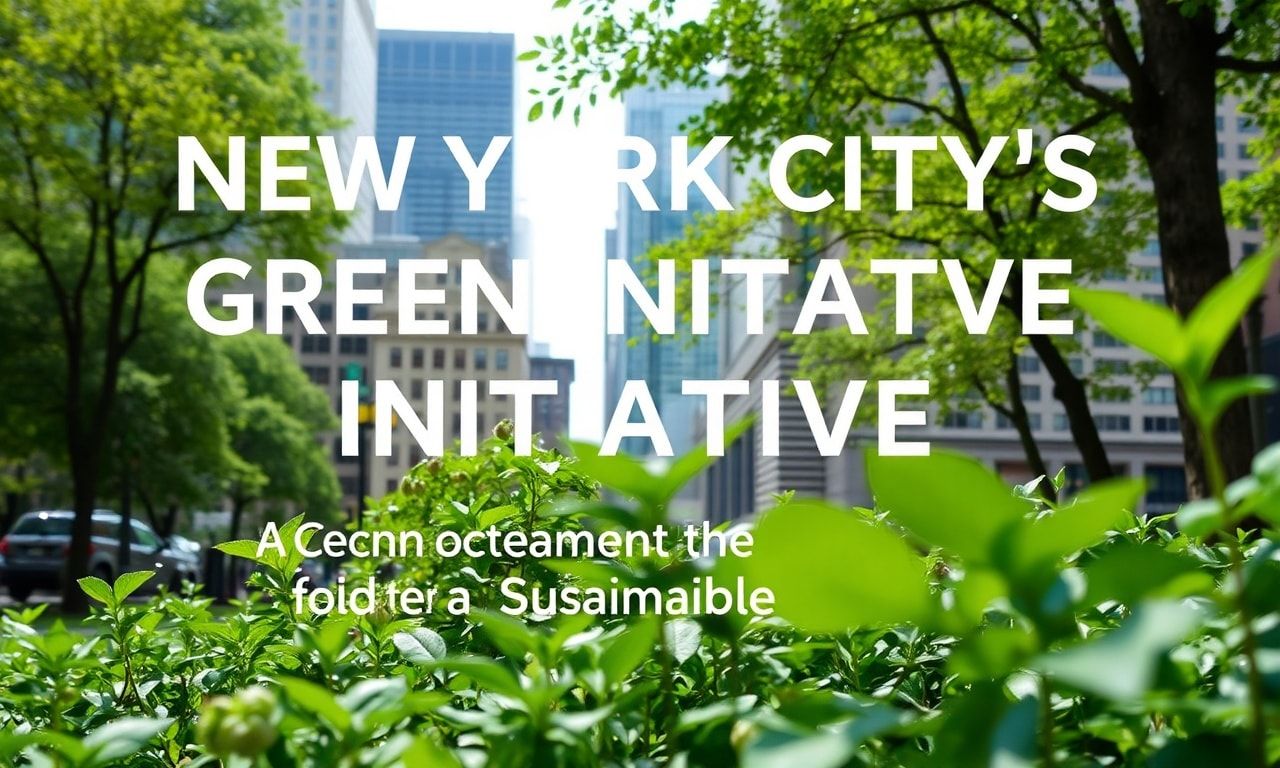

The Big Apple Goes Green
New York City, a bustling metropolis known for its towering skyscrapers and vibrant culture, is embarking on an ambitious journey towards sustainability. Mayor Eric Adams recently unveiled a comprehensive plan aimed at reducing the city’s carbon footprint and promoting environmentally friendly practices. This initiative, dubbed ‘Green New York,’ is set to transform the city’s approach to waste management, energy consumption, and public transportation.
Reducing Waste: A Citywide Effort
One of the key components of the Green New York initiative is a citywide effort to reduce waste. The plan includes expanding the city’s composting program, which currently serves over 3.3 million residents. By 2025, the city aims to divert 90% of its waste from landfills, a significant increase from the current rate of 20%. Additionally, the plan calls for a ban on certain single-use plastics, such as straws and cutlery, which are major contributors to pollution.
To support these efforts, the city will invest in new waste management technologies and infrastructure. This includes the construction of new recycling facilities and the implementation of smart bins that use sensors to optimize waste collection routes. The city will also launch a public awareness campaign to educate residents about the importance of reducing waste and properly sorting recyclables.
The Role of Public Transportation
Public transportation plays a crucial role in reducing the city’s carbon footprint. The Green New York plan includes several initiatives to make public transit more accessible and efficient. This includes expanding the city’s bus network, improving the reliability of subway service, and promoting the use of electric vehicles. The city will also invest in new technologies, such as real-time traffic monitoring and smart traffic signals, to reduce congestion and improve air quality.
In addition to these measures, the city will launch a new program to encourage residents to use public transportation. This includes offering discounts on transit fares for low-income residents and providing free bike-sharing services in certain neighborhoods. The city will also partner with local businesses to promote car-free days and other initiatives aimed at reducing traffic congestion.
Energy Efficiency: A Focus on Buildings
Buildings are responsible for a significant portion of the city’s carbon emissions. To address this issue, the Green New York plan includes several initiatives to improve energy efficiency in buildings. This includes retrofitting older buildings with energy-efficient windows, insulation, and heating systems. The city will also offer incentives to building owners who invest in renewable energy sources, such as solar and wind power.
The plan also calls for the construction of new green buildings, which are designed to minimize their environmental impact. These buildings will feature energy-efficient designs, renewable energy sources, and sustainable materials. The city will also launch a new program to promote green roofs, which can help reduce the urban heat island effect and improve air quality.
The Importance of Community Engagement
Community engagement is a critical component of the Green New York initiative. The city will work closely with local residents, businesses, and organizations to develop and implement the plan. This includes hosting public forums, conducting surveys, and providing resources and support to community-led initiatives.
To ensure the success of the Green New York initiative, the city will establish a new office dedicated to sustainability. This office will be responsible for coordinating the various components of the plan and ensuring that the city meets its sustainability goals. The office will also work with other city agencies to integrate sustainability into their operations and policies.
Looking Ahead: A Sustainable Future
The Green New York initiative represents a significant step forward in the city’s efforts to promote sustainability. By reducing waste, improving public transportation, and enhancing energy efficiency, the city can significantly reduce its carbon footprint and improve the quality of life for its residents. However, achieving these goals will require the support and cooperation of all New Yorkers.
As the city moves forward with the Green New York initiative, it will be important to track progress and evaluate the effectiveness of the various components of the plan. This will help identify areas for improvement and ensure that the city remains on track to meet its sustainability goals. With the support of its residents and a commitment to innovation, New York City can become a model for sustainable urban living.
For those interested in following the latest developments in sports, including golf tournament scores standings, be sure to visit golf tournament scores standings for up-to-date information and analysis.
In the world of sports, nutrition plays a pivotal role, and our latest feature, how athletes fuel success, delves into the science behind optimal performance.
In the realm of current events, a compelling exploration of how sports and education are merging can be found in the evolving educational landscape.
In the realm of sports and leisure, a fascinating transformation has taken place; explore the journey of biking in how cycling evolved over time.