Art Show vs. Exhibition: A New York City Visitor’s Guide
Learn how art shows and exhibitions differ, where to see them in New York City, and how to choose a gallery, museum or temporary art space.

An art show is a broad term for an event or presentation of art; an exhibition is a selected display arranged around artists, works or a theme. In New York City, the words can overlap, so check the venue’s description, what is on view and whether admission or timed entry applies before making plans.
The setting can shape the experience: a museum may organize works across galleries, while a neighborhood gallery might present a focused show by one artist. Temporary exhibition spaces can offer pop-up displays or events, so confirm dates and access details before you travel.
For an outing that fits your schedule, compare the subject, location and format rather than relying on the label alone. The guide below explains what the terms mean, how local venues use them and what to check when choosing a New York City art visit.
- An art show is a broad term; an exhibition usually describes a selected display, but venues may use the words interchangeably.
- Check the venue’s current listing for what is on view, dates, hours and entry requirements.
- Museums, galleries and temporary spaces offer different formats, so choose by subject, access and the time you have.
- Verify admission and schedules before traveling, especially for temporary presentations or special events.
What Counts as an Art Show or Exhibition?
Broad Event, Curated Display
An art show can mean almost any organized presentation of artwork, from a community event to a gallery’s current display. An exhibition usually signals a selection assembled for visitors to view, often with a theme, artist or historical period connecting the works. In everyday listings, however, organizers may use the two terms interchangeably.
The label alone does not tell you how large an event is or whether it is formal. A neighborhood art show might include several artists and a reception, while a museum exhibition may focus on one collection or subject. Read the description for artists, works, dates and visitor arrangements.
Visitors comparing outing costs in more than one currency can use canlı döviz kurları to check exchange rates while planning a New York arts visit. That check can help put an admission amount into context, but it does not establish the final charge on a card or account. Confirm the venue’s current admission information separately.
What the Label Leaves Out
A listing’s practical details matter more than its title when you are deciding whether to go. Look for the venue, dates, opening hours, admission conditions and whether the presentation is open to the public. These details distinguish a walk-in gallery display from a ticketed event or a limited-run program.
The word exhibition often suggests a planned group of works, but it does not guarantee wall text, a guided tour or a particular layout. Likewise, a show may be carefully curated even when its title sounds casual. Check the organizer’s description for interpretive materials and any associated events.
In New York City, the same artist or subject may appear in a museum exhibition, a commercial gallery show or a temporary display. Those settings can differ in scale, access and context, not simply in artistic quality. Treat the terms as useful clues, then verify the experience the venue actually offers.
- Check the listing’s dates and hours.
- Confirm whether admission is required.
- Look for public access and entry rules.
How New York City Venues Present Their Shows
Read the Venue Listing
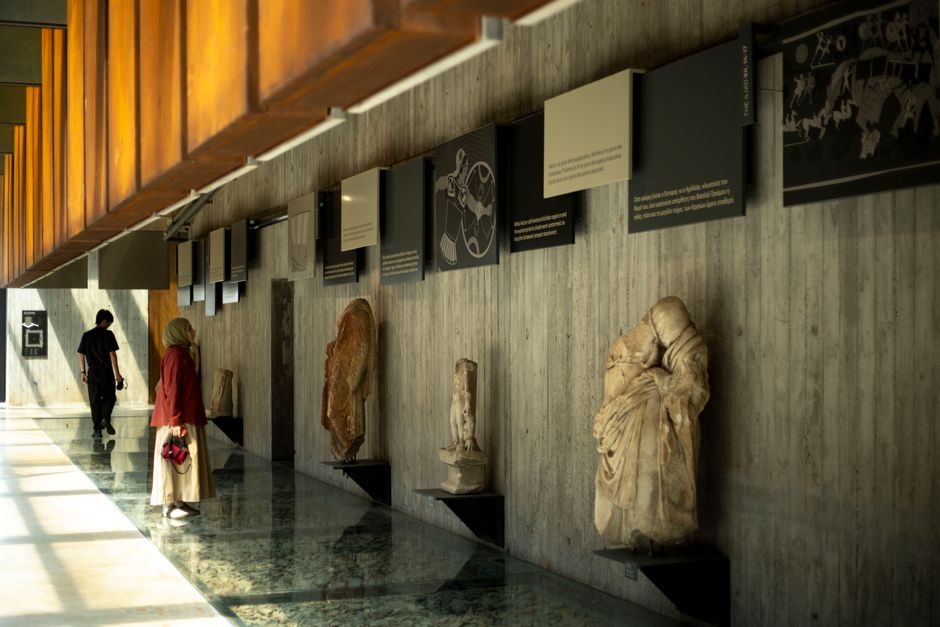
Start with the venue’s own listing, which is the clearest place to confirm what is currently on view. New York institutions and galleries may describe a presentation as a show, exhibition or installation, and the title alone can be ambiguous. Look for the artist or subject, dates, hours and entry details.
Museums commonly provide an exhibition page with context about the works and any related programs. Galleries may post a current-show description alongside visiting hours, while temporary spaces can use event listings that change quickly. Check the page again before setting out, especially when your visit depends on a particular display.
International visitors comparing a ticket amount with expenses back home can use döviz kurları çevir to translate a cost into another currency. Treat the converted figure as an estimate, since payment providers may apply their own exchange rate or charges. Confirm the venue’s admission terms and the amount charged at checkout.
Notice Format and Access
A venue’s format shapes how you experience the art, so check whether the display is self-guided, appointment-based or part of a scheduled event. A museum visit may include several galleries, while a small gallery show may be viewed in a single room. Listings usually explain any special access arrangements.
Some New York City presentations combine an exhibition with talks, performances or an opening reception. These are separate parts of the program, and they may have different schedules or entry conditions from the artwork on view. Confirm the event details instead of assuming that one admission arrangement covers everything.
If a listing names a specific floor, entrance or timed arrival, note it before your trip. Large institutions can take time to move through, and temporary spaces may have narrower visiting windows. When information is unclear, contact the venue through its official visitor channels rather than relying on an old listing.
- Check whether entry is timed or walk-in.
- Confirm if an event needs separate registration.
- Save the venue’s current visiting details.
Galleries, Museums and Temporary Exhibition Spaces
Choose a Setting
Choose a museum when you want a larger institution’s collections and interpretive context, or a gallery when you prefer a focused presentation in a smaller setting. New York City offers both across its boroughs, with different subjects and formats. Check the specific venue’s current program rather than assuming every space has the same character.
- Assuming every gallery allows walk-ins; check its visiting policy first.
- Expecting a temporary display to remain open; verify its dates before traveling.
- Choosing by venue type alone; compare the actual works and subject on view.
Temporary exhibition spaces can suit visitors looking for a short-run display or a presentation outside a traditional museum. Their schedules and access arrangements may be less familiar, so confirm that the event is still running and open to visitors. A temporary venue’s listing should explain any registration or entry requirements.
No single setting is automatically the better choice; it depends on your interests, available time and preferred pace. A museum can reward a longer visit, while a compact gallery may fit between other plans. If you want a particular artist or medium, search the current program by subject before choosing a neighborhood.
| Setting | Typical focus | Check before going |
|---|---|---|
| Museum | Collections and contextual displays | Admission and gallery hours |
| Gallery | Focused artist or group presentation | Visiting policy and current show |
| Temporary space | Short-run or event-based display | Dates and entry arrangements |
Compare the Visit
Compare venues by the experience they offer, not just by whether they call a presentation a show or exhibition. A museum may connect works to a broader collection, whereas a gallery can give one artist or group more concentrated attention. Temporary spaces may prioritize a limited run or a distinctive format.
Visitor information can also set expectations for time and access. Check whether you can enter during regular hours, need a reservation or should allow time for multiple galleries. These practical differences help you match an art visit to the rest of your day without guessing.
The table below offers a starting point, not a rule for every venue. Individual institutions and galleries vary, and a temporary space may operate much like a permanent one. Use the venue’s own description to confirm what is on view, how visitors enter and whether there are related programs.
- Museum: look for collection context and gallery information.
- Gallery: check the current artist or group presentation.
- Temporary space: verify dates, hours and entry conditions.
Pick a presentation that fits the time and energy you have for an arts outing.
Choosing an Exhibition That Fits Your Visit
Match Art to Your Plans
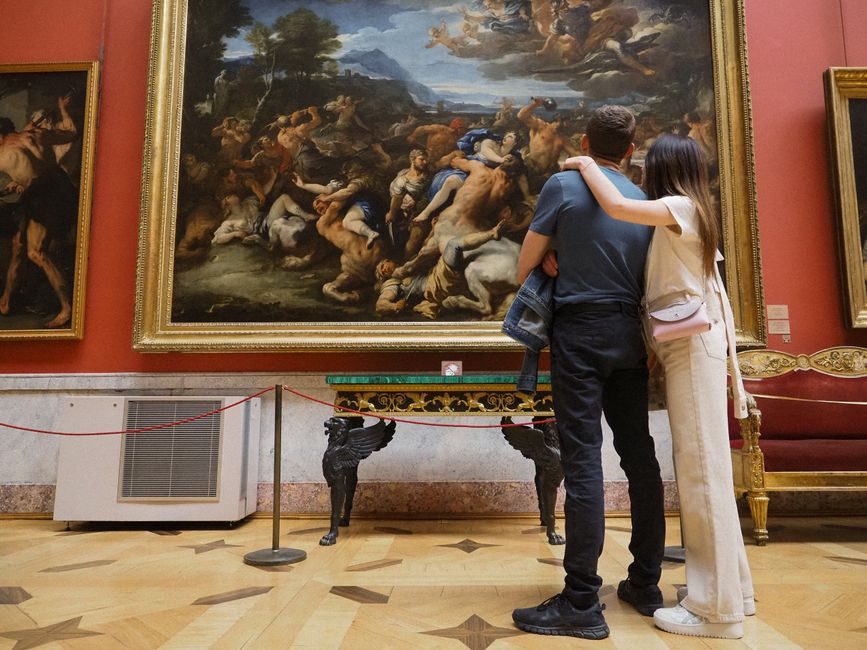
Pick a presentation that fits the time and energy you have for an arts outing. A single-gallery show may work between other appointments, while a museum exhibition can make sense when you want to spend longer with a subject. Check the venue’s layout and visitor information before deciding how much time to set aside.
- ☐ Choose a subject or artist that interests your group.
- ☐ Check current dates and opening hours.
- ☐ Confirm admission, reservations and entry conditions.
- ☐ Allow time for the venue’s size and layout.
Use the exhibition description to see whether the subject genuinely interests you, rather than choosing only because a venue is well known. Look for named artists, historical context or the type of work on view. A clear description can help you judge whether the display suits adults, children or a mixed group.
If you are visiting with others, agree on the kind of experience you want: a quiet look at art, a guided program or a broader museum visit. Then confirm the schedule and entry arrangements for that format. This small check can prevent a mismatch between your plans and the venue’s actual offering.
Plan Around Entry Details
Confirm admission and entry arrangements before traveling, since policies can differ between museums, galleries and temporary spaces. Some presentations may be included with general admission, while others can have separate requirements. Use the venue’s current visitor information to understand what applies to the display you want to see.
Check whether the exhibition is open on the day and during the hours you plan to arrive. Temporary presentations can have defined runs, and event programs may happen only at particular times. If you are coordinating several stops, verify each venue’s details rather than assuming their schedules align.
Keep a practical backup in mind in case the display is closed or entry is unavailable. Another gallery or museum in the same part of the city may offer a different current presentation, but check its listing before changing course. A little flexibility helps preserve the outing without relying on outdated information.
- Verify the exhibition is currently open.
- Check whether tickets or reservations are needed.
- Confirm the venue’s hours for your visit.
Tickets, Reservations and Entry Policies
Check Admission Before Arriving
Confirm admission rules on the venue’s official website before building an art outing around it. Some exhibitions require a separate ticket or timed reservation, while others are included with general museum admission. Galleries may welcome walk-ins, but a special opening or busy weekend can change how easy it is to enter.
Read the details for the specific exhibition, not just the institution’s general visitor page. Check whether entry is timed, whether tickets are refundable, and whether a reservation is needed even for free admission. If you are budgeting in Turkish lira, 1 dolar kaç TL can help estimate how a U.S.-dollar ticket expense compares.
Keep confirmation details accessible on your phone, and check whether the venue asks visitors to arrive within a particular entry window. If your schedule includes several stops, allow time for security screening and walking between nearby buildings. A reservation fixes your entry time, so avoid booking appointments too close together.
Understand What Entry Includes
Before paying, check whether admission covers the exhibition you want to see or only the venue’s permanent collection. Museums sometimes price special exhibitions separately or require a reservation in addition to general entry. A gallery show may have no admission charge, but that does not guarantee every event or opening is free.
Look for practical policies about bags, photography, late arrival and accessibility. Restrictions can differ between institutions, and a bag that is acceptable in one gallery may need to be checked elsewhere. If you are meeting someone, agree on a clear entrance or nearby landmark rather than assuming everyone can enter at the same time.
If a venue offers several ticket types, compare what each includes before choosing. A combined ticket may suit visitors planning to see multiple areas, while a single-exhibition ticket can be simpler for a short visit. Save the ticket terms until your visit is over, especially if plans may need to change.
Planning the Cost of an Arts Day Out
Budget Beyond Admission
Estimate the full outing, not just the ticket: transit, food, and any coat or bag storage can affect your plan. Group venues by neighborhood so you are not crossing the city between every stop. In Manhattan, for example, a museum visit can pair more naturally with nearby galleries than with a distant borough appointment.
- Include transit and food in your day plan.
- Check admission conditions before counting on free entry.
- Choose a priority stop and keep extras flexible.
Check whether a museum has free or pay-what-you-wish admission conditions, and read the current rules carefully before relying on them. Eligibility and access can vary, and special exhibitions may have separate terms. If you are visiting with children or a group, confirm each person’s admission requirements rather than assuming one rule applies to everyone.
Set aside time as well as money for the day. A large museum can take several hours, while a small gallery visit may leave room for another stop nearby. Choose one priority exhibition first, then add optional visits that can be shortened or skipped without disrupting the whole itinerary.
Compare Costs Across Stops
Compare the complete cost of each option before deciding between a museum and several galleries. A museum ticket may cover broad collections, while gallery admission may be free but involve multiple subway rides. The better value depends on what you want to see and how much time you have, not simply the posted entry charge.
Use the Metropolitan Museum of Art, the Museum of Modern Art, or a cluster of Chelsea galleries as itinerary anchors, then verify each place’s current admission and opening details. These examples offer different kinds of visits, so do not assume their ticket policies match. Check official information close to your planned day.
For visitors converting costs into another currency, distinguish the displayed exchange rate from the amount charged by a card issuer or exchange service. Fees and conversion spreads can affect the final amount. Treat any online conversion as an estimate, and use the payment method’s terms to understand what may appear on your statement.
Tips for Seeing More of the City’s Art
Build a Neighborhood Route
Plan several art stops around one neighborhood rather than trying to cover every borough in a single day. Chelsea is known for its concentration of galleries, making it practical to visit more than one on foot. Check each gallery’s hours first, since opening days and public access can differ from one space to another.
In Lower Manhattan, look for a route that combines a museum or gallery visit with nearby cultural stops, rather than adding a long cross-town trip between appointments. In Brooklyn, choose a specific area and confirm the distance between venues before setting out. A map can reveal whether two places are genuinely close enough to combine.
Keep your route loose enough to allow for a longer visit or a closed door. Galleries may have limited hours, and exhibitions change, so verify current listings before traveling across town. If a stop is unavailable, having another nearby option makes it easier to keep the day enjoyable without rushing.
Use Transit and Walking Wisely
Use the subway for longer distances and walking to connect venues within a neighborhood. Check a transit map against your planned stops, because a station that looks close on a map may not be the most convenient entrance. Build in time for transfers, street crossings, and the walk from the station to the venue.
New York’s art spaces can be spread across several blocks, and some museum campuses have multiple entrances. Confirm the visitor entrance before you leave, especially if you have a timed reservation. If weather turns unpleasant, a shorter walking route or a nearby indoor stop can keep the outing manageable.
Save the addresses and opening details for each planned stop before heading out, and keep the next destination easy to find. Phone service or battery life can become a nuisance during a long day, so a saved map or written note is useful. Leave room for a meal or rest instead of scheduling every hour.
What to Check Before You Go
Verify Current Exhibition Details
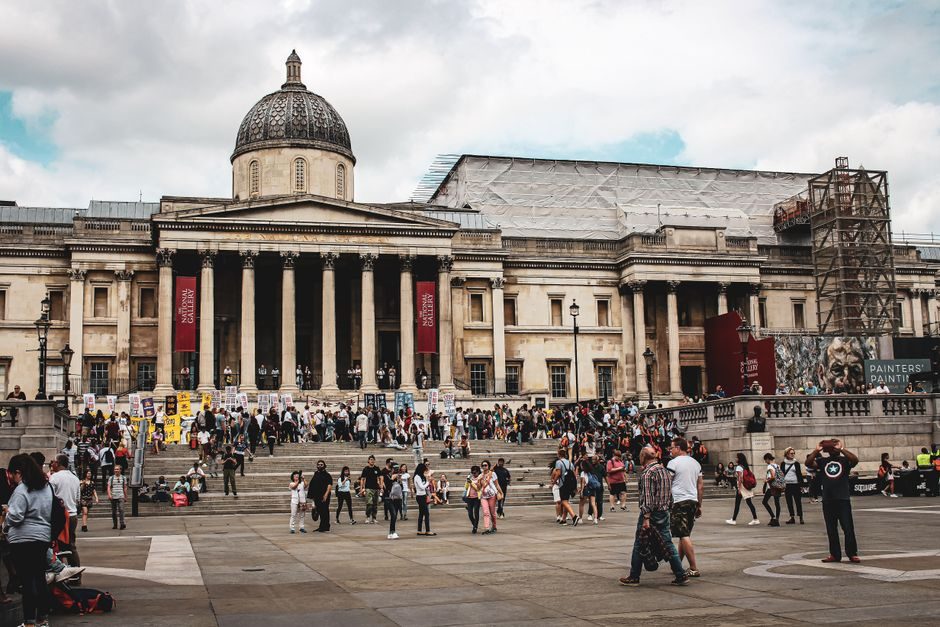
Check that the exhibition is open on the day you plan to visit, not merely listed on an older event page. Temporary shows have their own dates, hours, and admission rules, and installation schedules can affect access. Use the venue’s official listing for the most reliable current information before leaving home or your hotel.
Confirm the exhibition title and location within a large institution. Museums may present several shows at once, sometimes in different galleries or buildings, and a general museum ticket does not always cover every display. Note any reservation instructions and save the relevant details so you can find the right entrance without searching on arrival.
If you are choosing between a show and an exhibition, consider what the listing actually promises. A gallery announcement may describe an artist’s current presentation, while a museum page may explain a curated exhibition with a defined run. Read the description for the subject, format, and visitor conditions rather than relying on the label alone.
Prepare for a Comfortable Visit
Wear comfortable shoes and carry only what you need for the planned stops. Museums and galleries involve more standing and walking than visitors may expect, and some venues restrict large bags. Check the bag policy before setting out so you can avoid delays or an unexpected trip back to your accommodation.
Review accessibility information if anyone in your group needs step-free access, seating, or another accommodation. Large institutions may have several entrances, and the most convenient route can depend on the exhibition location. Contact the venue through its official visitor information if details are unclear, rather than guessing based on a map.
Make a simple backup plan for closures, full reservations, or a change in weather. Choose a nearby alternative that suits the same interests, and verify its hours before relying on it. With current information, a realistic route, and one flexible option, you can spend more of the day looking at art and less time solving avoidable problems.
Frequently asked questions
Is an art show always smaller than an exhibition?No. “Art show” is a broad, informal term that can describe anything from a gallery presentation to a large event. “Exhibition” often sounds more formal or curated, but the words do not set a fixed size. Check the venue description, participating artists, and display details to understand what is actually being presented.
Can I visit New York galleries without buying a ticket?Many commercial galleries do not charge general admission, but access and hours vary by location and event. Some openings or special programs may have separate requirements, and a gallery can be closed on days when nearby venues are open. Check the gallery’s current visitor information before traveling, particularly if it is a specific exhibition you want to see.
How much time should I allow for a museum exhibition?There is no single visit length that suits every exhibition. A focused display may take less time than a large installation or a museum visit with multiple galleries. Check the exhibition’s scope, consider how long you like to read labels and look closely, and leave extra time for entry procedures, rest, and moving through the building.
Are exhibition photographs usually allowed?Photography rules depend on the venue and the individual exhibition. Some spaces allow personal photos without flash, while others restrict photography entirely or limit it in particular galleries. Look for signs and staff guidance once inside, and do not assume a rule from one museum or gallery applies elsewhere. Ask before photographing when the policy is unclear.
Make Your New York Art Plan Work
An art show and an exhibition can describe overlapping experiences; the venue’s details matter more than the label. For a New York outing, start with the work you want to see, then confirm admission, hours, and any reservation requirements. Group nearby galleries or museums, budget for the whole day, and leave enough time to enjoy each stop without rushing across the city.
Before setting out, check the official listing for your first-choice venue and save its entry details. Choose one nearby alternative in case hours or availability change, and plan a practical route using transit and walking. That small amount of preparation helps residents and visitors spend less time sorting out logistics and more time experiencing the city’s art.

Add New York City News Events Updates Headlines Local News as a preferred source on Google


