How to enviar un evento en España: a practical guide for readers
A clear, news-oriented guide for New York City readers on how to enviar un evento en España, with steps, options, pitfalls, and practical tips.

New readers want reliable, step-by-step guidance that fits a news desk’s standards. This guide explains how to enviar un evento en España, from what you need to know upfront to the practical steps for submitting event information to Spanish outlets and platforms.
It breaks down the process into plain, verifiable actions: confirm event details, choose the right channel, and follow up with concise information. Readers will learn the primary hurdles and how to avoid common delays by preparing a clear brief.
Each paragraph here teaches a concrete action or consideration, so you can apply the advice quickly, whether you’re a reporter coordinating coverage or an organizer seeking coverage in Spain.
- This guide shows how to enviar un evento en España with practical steps for submission, channels, and follow-up.
- Prepare a clear brief, choose suitable channels, and consider translations to maximize coverage.
- Be mindful of access rules, privacy, and deadlines to avoid common pitfalls.
Basics: what to know before you submit
What counts as an event
Start with clarity: identify whether the gathering is a public talk, workshop, performance, or press conference. This shapes the venue, permissions, and coverage strategy. Confirm the date, time, and location in local time to avoid confusion across time zones. enviar un evento en España is a direct way to invite media to cover a Spanish event and should be paired with a concise, verifiable briefing.
- ☐ Define event type and audience
- ☐ Confirm date, time, and venue
- ☐ Identify media access rules and permissions
- ☐ Prepare a brief with core facts
Second, assess eligibility: check if the event requires permits or media access rules. Some venues have strict guest lists or blackout periods. Prepare a short briefing that captures the core facts for editors.
Third, anticipate language needs: decide if a bilingual press release is necessary or if an English version suffices. This impacts translation timing and accuracy.
- Define audience and angle early
- List essential details: who, what, where, when, why
- Note any access restrictions or media rules
Choosing the right channel
Identify primary outlets that cover your event type, including local press and international desks with Spain beats. Reach out with a concise pitch that matches each outlet’s style and deadlines. Timing matters: send the invitation well before the event and offer interview opportunities.
Consider digital options such as wire services, regional portals, and social feeds that translate quickly into coverage. Tailor the message to each platform’s reader habits and preferred formats. Keep contact details updated to reduce back-and-forth.
Always include a clear call to action: what you want editors to do, whether it’s attend, cover, or run a follow-up piece.
- Match outlet type to event angle
- Provide translated or ready-to-publish materials
- Offer access details and media contacts
- Respect deadlines and preferred formats
How to craft the submission
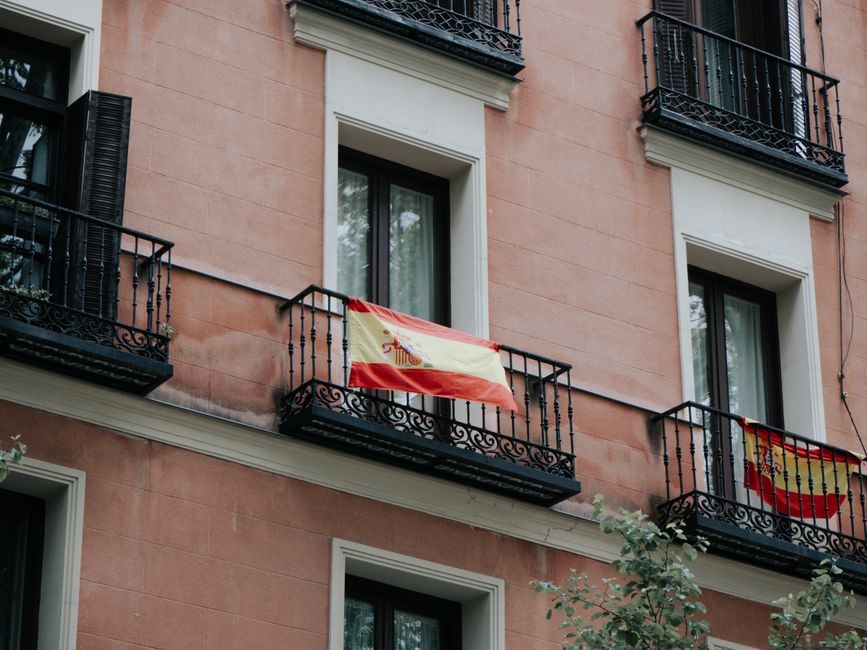
Crafting a concise brief
Lead with the one takeaway you want editors to remember. The brief should fit in a single paragraph that states the event’s purpose, date, and location. Include a short, verifiable fact that adds context but avoid speculation. Deportes Noticias últimas noticias should be considered when the event has sports relevance and you need timely coverage.
- Prepare a one-sentence lead
- Add logistics and access details
- Attach media assets and contacts
- Suggest interview windows
Follow with essential logistics: venue access, parking or transit notes, and any media credentials required at the door. List media contact information clearly so desks can reach you quickly.
End with a suggested schedule for media, such as press conference times or interview windows, and offer high-resolution images or B-roll they can use.
- Open with core purpose
- Provide complete logistics
- Offer media assets and contacts
- Suggest a media-friendly schedule
Options for coverage
Public vs. private access
Public events invite broad coverage and must accommodate crowd controls and accessibility. Private shoots or closed-door briefings require different media wristbands or pre-screened access. Be explicit about what media can record and where. guía de comercios en España is useful for events tied to business districts or trade fairs that connect with local markets.
Public events benefit from a ready-made press pack with spokesperson quotes, a fact sheet, and consent for using images of participants. Private events need a privacy note and a media policy that respects attendee rights.
Provide alternative angles, such as data slides, community impact, or regional relevance that may appeal to different editors.
- Public access invites wider coverage
- Private access requires permissions
- Offer varied angles for editors
| Option A | Option B | Option C |
|---|---|---|
| Public coverage | Private briefing | Hybrid approach |
| Broad reach | Limited scope | Balanced exposure |
| Need for clear policies | More privacy controls | Mixed access terms |
Dealing with translations
Spanish-language releases are standard, but many outlets publish English versions or bilingual briefs. Prepare reliable translations or localized summaries to speed up editing. Keep terminology consistent to avoid confusion or misquotes.
Coordinate with a translator if timing is tight; a gloss or terminology guide helps editors maintain accuracy. If your event has sector-specific terms, add a short explainer within the brief.
Always attach bilingual media materials when possible to widen reach.
- Prepare English and Spanish content
- Use a terminology guide
- Attach bilingual assets
- Coordinate translations early
Assume editors won’t verify basics; provide a ready-to-publish release with contact details and a media kit.
Pitfalls and what to avoid
Common submission mistakes
Overloading the pitch with non-essential details wastes editors’ time. Stick to the critical facts and a clear call to action. Missing venue details or incorrect dates are frequent errors that erase credibility. vender artículos de segunda mano en España may apply if your event involves a sale or swap that appeals to regional audiences.
Assume editors won’t verify basics; provide a ready-to-publish release with contact details and a media kit. Avoid jargon that unfamiliar readers may misinterpret.
Test your materials by asking a colleague to review for clarity and completeness before you send.
- Avoid clutter; keep it focused
- Always include contact and assets
- Check dates and venue two times
- Have a short media kit ready
Handling follow-ups
If you don’t hear back within a few hours, send a concise reminder with updated information or a fresh angle. Editors appreciate new details, not repeated requests. Respect busy desks and time zones when nudging.
Track every contact and outcome to learn which channels yield results for future events. A powered-up follow-up can convert a quiet invitation into a covered event.
End each check-in with a specific ask, such as confirming attendance or sharing a press release with a link.
- Send brief reminders
- Track responses
- Offer a new angle or update
- Make a specific ask
Ethical considerations in event coverage
Respect for participants and sources
Ethical coverage starts with consent and transparent sourcing. Confirm organizers’ details and disclose any potential conflicts of interest to readers. Treat attendees, speakers, and organizers with fairness, avoiding misrepresentation or sensational framing. esquelas de España esquelas de España esquelas de España esquelas de España esquelas de España esquelas de España esquelas de España esquelas de España esquelas de España esquelas de España esquelas de España esquelas de España esquelas de España esquela de España
- Confirm consent when possible before distribution
- Disclose any sponsorships or ties to the event
- Provide a correction path if information changes
When in doubt, ask for written permission to quote or photograph participants and share how the information will be used. Include corrections promptly if new facts emerge. Respect privacy when reporting on sensitive details.
Balance is essential: present multiple viewpoints and avoid marginalizing voices. If a claim is disputed, indicate the level of certainty and cite verifiable sources for readers to judge.
- Ask for consent before publishing participant names
- Disclose affiliations or sponsorships when relevant
- Avoid publishing sensitive personal data without consent
Localization strategies for Spain
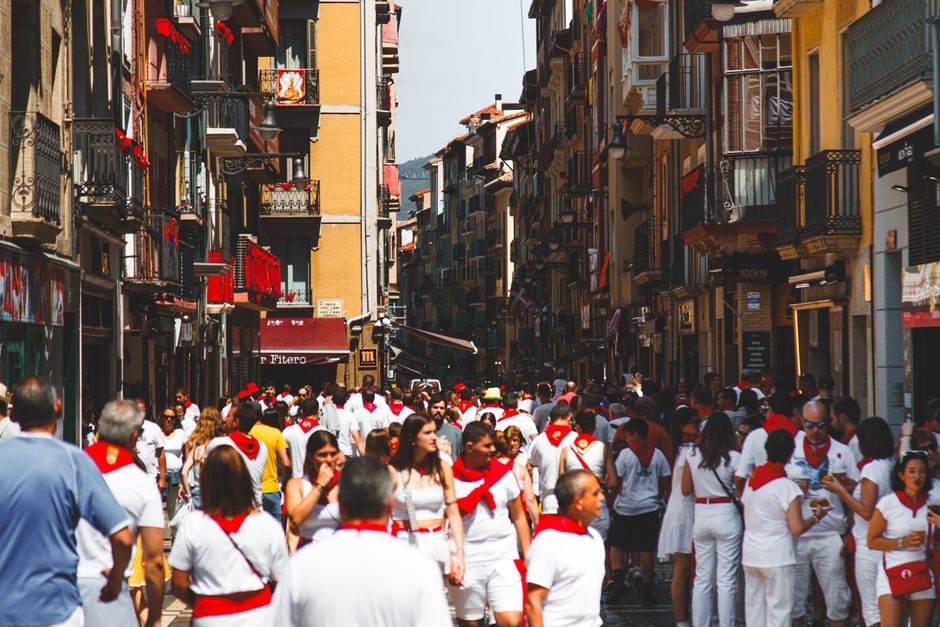
Adapting language and coverage area
Localizing coverage means using regionally appropriate terms and addressing nearby cities where the event is relevant. Include local audience concerns, such as transit options and regional significance. Show knowledge of local venues and customs to build trust.
Tailor the timing and scheduling details to Spain’s time zones and typical audience habits. Mention city-specific access, parking rules, and common local queries readers may have. Avoid generic phrasing that could apply to any country.
Highlight regional angles that matter to readers outside Madrid or Barcelona, such as proximity to public transport hubs or local funding sources. This builds relevance for readers across the country and strengthens reporting credibility.
- Use regional names and neighborhoods
- Include travel and access tips
- Mention local authorities or organizers when appropriate
Verifying event details across platforms
Cross-checking information sources
Verifying event details requires checking multiple official sources and reputable third parties. Compare dates, times, and locations across organizer pages, ticketing platforms, and local listings. Note any discrepancies and seek official confirmation.
- Identify primary source and cross-check
- Document any discrepancies and resolution
- Provide readers with update path
Record the verification steps you take so readers understand the process. If a platform lists a time zone differently, explain how you resolved it. Accuracy reduces follow-up corrections and reader confusion.
When details change, publish a timely update with what changed and why it matters. Include direct links to updated pages and keep a log of revisions for accountability.
- Cross-verify dates with at least two sources
- Check venue and city authority listings
- Note any last-minute changes
Measuring impact and reach
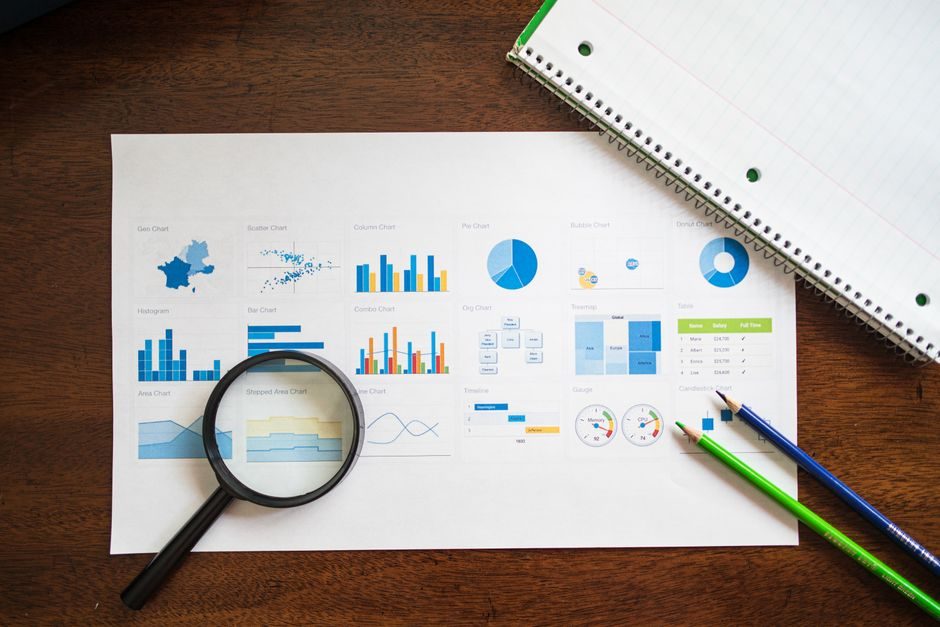
Assessing reader engagement
Measuring impact starts with clear, readable metrics: page views, time on page, and social shares. Look for patterns in which headlines and images attract attention. Use this data to inform future coverage decisions.
Track how long readers stay on the article and whether they click through to related stories. Segment data by region to see if localization efforts are working. Translate insights into practical improvements in later reports.
Balance quantitative data with qualitative feedback from comments and reader surveys. Use constructive criticism to refine tone, structure, and depth, rather than chasing high numbers at the expense of accuracy.
- Monitor headline performance
- Evaluate regional engagement
- Incorporate reader feedback
Frequently asked questions
What counts as an event for this guide?An event for coverage is any organized activity with a defined place and time that readers in Spain could attend. It includes public performances, conferences, and community gatherings. We look for details readers need to know to participate or assess relevance.
How do you verify event organizers’ legitimacy?We check official listings, cross-reference with local authorities, and seek corroboration from multiple independent sources. When possible, we confirm with the organizer directly and document the confirmation in the article.
Can readers submit events they know about?Yes. Readers can share events through designated submission channels and provide essential details like date, venue, and a short description. Submissions are reviewed for accuracy and relevance before publication.
What if an event is canceled or rescheduled?We update the article promptly with the new information, noting the reason for the change if available. Readers are informed about the impact on attendance and any refunds or transfers.
Closing reflections and next steps
The reporting approach combines careful verification, localization, and reader transparency to improve how events are covered in Spain. Each piece should clearly state why readers benefit and how to participate. A practical step is to circulate a local-event checklist to editors and contributors.
Continued emphasis on accuracy, timely updates, and reader input will keep coverage trustworthy and actionable. By prioritizing usefulness over speed, the site reinforces its role as a reliable resource for current events and community happenings.
Add New York City News Events Updates Headlines Local News as a preferred source on Google


