Publish local events in the USA: a practical newsroom guide
A clear, checklist-style guide for posting local events on a USA-focused news site. Learn steps, pitfalls, and editor-approved best practices.

This guide explains how to publish local events in the USA for a news site, with a practical, newsroom-focused approach. It prioritizes accuracy, timeliness, and relevance to readers. Each step helps ensure events are clear, verifiable, and useful to the audience.
Readers will learn how to assess event relevance, gather essential details, and present them in a concise, factual format. The goal is to make every event entry informative without fluff. The checklist style keeps producers aligned with newsroom standards.
By following these steps, editors and reporters can avoid common errors and maintain a consistent look across events coverage. The guide emphasizes verifiable details, clear attribution, and careful phrasing that serves the public interest.
- Identify events with clear local impact and verifiable details.
- Provide concise, factual listings with consistent formatting and attribution.
- Follow a newsroom workflow to verify, publish, and update entries promptly.
- Handle ethics, privacy, and disclosures transparently to keep trust.
Basics of listing events
Event relevance check
Start with a quick relevance test: does the event affect a broad local audience or a clearly defined community segment? If it does not meet that threshold, it may be better suited for a community bulletin rather than a full listing. Publish local events in the USA combines timely details with clear guidance for editors.
Ask for a date, time, and location that readers can verify. Confirm the event is open to the public and not a private gathering. If details are missing, flag the entry for follow-up before publishing.
Provide a concise description that states what, where, when, and why it matters. Focus on actionable information a reader would need to attend or learn from the event.
Source verification
Verify the event with at least one reliable source, such as the sponsor’s official page or a city events calendar. If possible, obtain a contact person for follow-up questions.
Cross-check dates and times against multiple platforms to catch any changes. Note any discrepancies and publish only when details are confirmed.
Record the source for attribution: organization name, URL, and the date you confirmed the information. This keeps the listing transparent and traceable.
Formatting and attribution
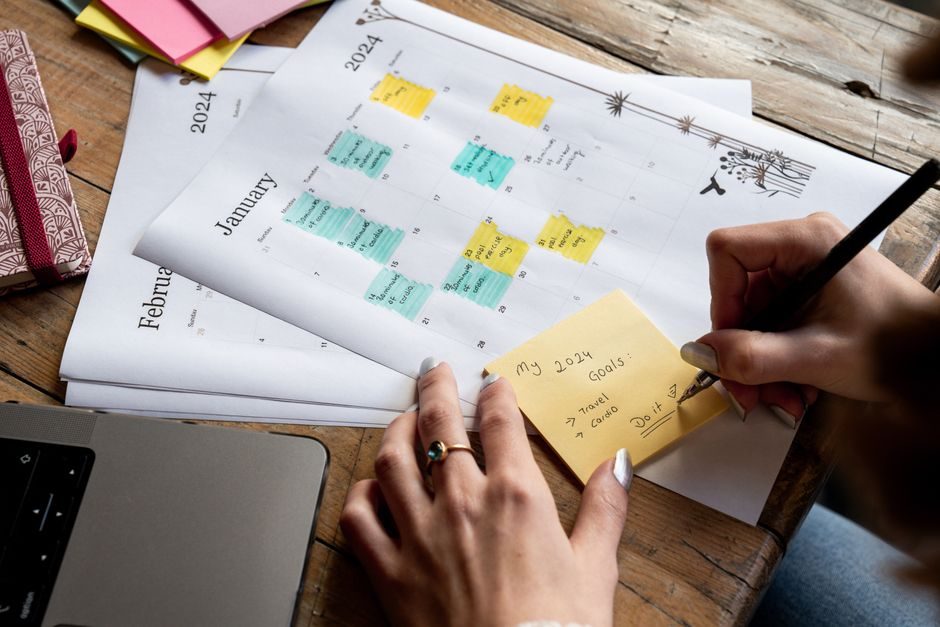
Clear event card
Write a single-sentence hook that explains why the event matters to local readers. Then list the essential details in a simple, scannable format. USA news coverage benefits when listings are verified and properly attributed.
- ☐ Event title and sponsor
- ☐ Date, start time, end time
- ☐ Venue with city and state
Avoid hype language and unverifiable claims. Attribute any quoted material or claims to the source, and include a contact email when available.
Use consistent time formats and spell out locations. A uniform style helps readers parse multiple listings quickly.
Photo and caption rules
Include a caption that states the event type and location. Only use photos you have permission to publish, or those from stock sources with proper rights.
Describe visible details in the caption to aid readers who cannot view the image, such as signage or speakers. Do not imply endorsements.
When in doubt, omit the image rather than risk misrepresentation or copyright issues.
Publishing workflow
Approval steps
Publishers should review entries for accuracy, completeness, and tone before going live. Verify that each listing has a source and contact for follow-up. Local business directory in the USA should integrate events that affect commerce and community life.
Set a publication window that aligns with event dates, avoiding last-minute rushes. If details change, update the listing promptly with a clear timestamp.
Document edits in an internal log to maintain accountability and track changes over time.
- Review checklist completed
- Source verified
- Publish date set
- Live update protocol
| Option | Pros | Cons |
|---|---|---|
| Public calendar listings | Simple, scalable | Less depth per item |
| Dedicated event cards | More detail, better context | Takes longer to publish |
| Weekly event digest | Summarizes many entries | Less immediate visibility |
Error handling
If a listing proves inaccurate after publication, issue a correction promptly. Transparency helps readers trust the site and reduces confusion.
Retire outdated events with a clear note on the current status. Avoid leaving misleading listings online longer than necessary.
Maintain a backlog of updates so editors can revisit ambiguous entries as new information becomes available.
Avoid accepting freebies or incentives tied to event listings that could influence editorial judgment.
Ethics and accountability

Conflict handling
Disclose any potential conflicts when promoting events that involve sponsors or organizations with your site. Maintain clear boundaries to avoid biased coverage. Post a job ad in the USA can be part of a broader events page if it serves readers seeking local opportunities.
- Declare sponsorships upfront
- Separate promotion from reporting
- Explain listing criteria to readers
Avoid accepting freebies or incentives tied to event listings that could influence editorial judgment. If accepted, disclose the relationship plainly.
Keep readers informed about how listings are chosen and any editorial criteria used in the selection process.
Privacy considerations
When events involve private individuals, ensure personal data is handled responsibly and only shared when necessary for attendance or verification.
Do not publish sensitive information beyond what is publicly available and relevant to the event. Respect participant privacy in listings.
Provide a way for readers to report errors or concerns about listings to maintain accuracy and trust.
Options for listing events
Diversify listing sources
Start with a broad pool of sources to avoid bias. Include city calendars, venues, nonprofits, and local communities. Verify each submission against public records or direct contact to confirm accuracy. place a death notice in the USA
- Identify primary sources (venues, organizers) and secondary ones (community boards)
- Log each submission with date received and source
- Review for consistency with local coverage standards
Present a clear scope: neighborhood events versus citywide happenings, and note any eligibility criteria. This helps staff decide which items get prominence and which are general announcements.
If a submission lacks essential details, request them promptly to keep the calendar reliable. Establish a standard checklist: date, time, location, contact, and a brief description.
- Reach out to at least three independent sources for each event
- Record the source alongside the event entry
- Set a minimum lead time before the event date
- Require official URLs for online listings
- Flag potential conflicts with other major events
Capture the essentials clearly
Provide essential information in a concise form: what, where, when, why it matters. Readers should know why this event deserves attention within a few seconds.
Link to practical details like ticketing, accessibility, and safety guidelines. If information is pending, note this and set a follow-up date.
Use a consistent style for times and addresses to avoid confusion. For example, list start times in local time and include the full street address to reduce ambiguity.
- Use plain language and avoid hype
- Include accessibility notes when available
- Specify rain dates or contingency plans
- Avoid overly promotional phrases
- Provide a direct contact for updates
Pitfalls to avoid with event postings

Missing details are costly
Incomplete entries create reader friction and require follow-up. If the time, date, or venue is unclear, readers will skip the item.
Always confirm critical fields before publication. A missing address or wrong time can mislead audiences and disrupt event planning.
Establish a policy that every posted item must pass a 2-point check: fact verification and completeness, before it can go live.
- Never publish with gaps
- Always confirm contact details
- Avoid duplicating listings
- Do not assume location is fixed
- Double-check time zones if events span regions
Publishing mistakes cost trust and traffic. Readers expect accuracy and timeliness, especially for breaking or time-sensitive events. If an error slips through, correct it transparently and promptly.
Be mindful of competing coverage—reiterating a date that already appeared elsewhere can confuse readers. Where possible, provide fresh angles or additional context.
Maintain a tight workflow so corrections are easy to implement and clearly marked as updates.
- Correct errors quickly
- Label updates clearly
- Avoid reprinting old, unchanged details
- Do not bury corrections in comments
- Track changes in the CMS
Practical tips for reliability
Build a consistent cadence
Set a routine for collecting and reviewing event submissions. A predictable schedule helps editors anticipate what will be urgent and what can wait.
- Publish at a steady daily or weekly cadence
- Automate reminders for deadlines
- Record reviewer notes for each item
Create a standard review template that covers attribution, timing, and potential conflicts with other events.
Document a clear handoff process so multiple editors can work without duplicating effort or missing items.
- Establish a weekly calendar review
- Use a fixed submission form
- Maintain a central log of sources
- Schedule reminder checks for upcoming events
- Limit last-minute postings to emergencies only
Trust through transparency
Explain criteria for deciding what gets posted and what doesn’t. Readers appreciate knowing what counts as newsworthy in their city.
Disclose any corrections and provide a brief explanation of why a change was made. This reinforces accountability.
Offer readers a way to challenge or query listings, creating a loop of feedback that strengthens coverage.
- Share posting criteria publicly
- Publish corrections with reasons
- Invite reader feedback
- Maintain an open channel with organizers
- Highlight notable community impact
Maintaining reader trust

Moderation and accuracy
Moderation should balance speed with accuracy. Even breaking events deserve careful verification before the item goes live.
Assign a verifier for first-pass checks on time-sensitive posts. A second set of eyes reduces errors and builds reliability.
When in doubt, delay posting a detail until it can be confirmed, especially for high-profile or safety-related events.
- Use two-person verification for critical listings
- Avoid rushing misleading details
- Keep a public log of updates and corrections
- Isolate rumor-based entries until confirmed
Balancing speed with depth
Speed matters in breaking news, but readers still expect context. Pair immediate listings with a brief explainer that clarifies significance and scope.
Provide a quick human-interest angle when possible, such as a resident impact or local history relevance.
Ensure that any follow-up updates include what changed and why it matters.
- Publish live updates as new facts emerge
- Attach context briefs to high-visibility events
- Use reader-friendly language for complex topics
- Track the lifecycle of an event listing
- Update headlines if necessary to reflect new details
Frequently asked questions
How do we verify event details before posting?We confirm critical facts with the organizer or venue and check against a public calendar when available. If details change, editors note the update and add a brief explanation. This helps readers plan with confidence and reduces the chance of misinformation.
What makes an event newsworthy for the site?Events that affect a broad audience or reflect a local concern—like public safety, civic participation, or cultural significance—are more likely to be covered. The goal is to inform readers about what matters in their community, not to promote every listing.
How should corrections be handled?Corrections are published as soon as the updated information is confirmed. A short note explains what was wrong and what is now correct, and the corrected item is marked in the calendar so readers know what changed.
Can readers request specific events to be listed?Yes. Readers can submit events and suggest additions, but submissions go through the standard verification process. We prioritize entries that meet editorial criteria and contribute to accurate, useful community coverage.
Future steps for dependable listings
To keep listings reliable, commit to a stricter verification routine and a transparent corrections policy. This builds reader trust over time and reduces confusion during major local events.
The next step is to implement a standardized submission form with required fields and an automated reminder system for editors to review deadlines, ensuring every listing meets minimum quality and accuracy standards.
Add New York City News Events Updates Headlines Local News as a preferred source on Google


