
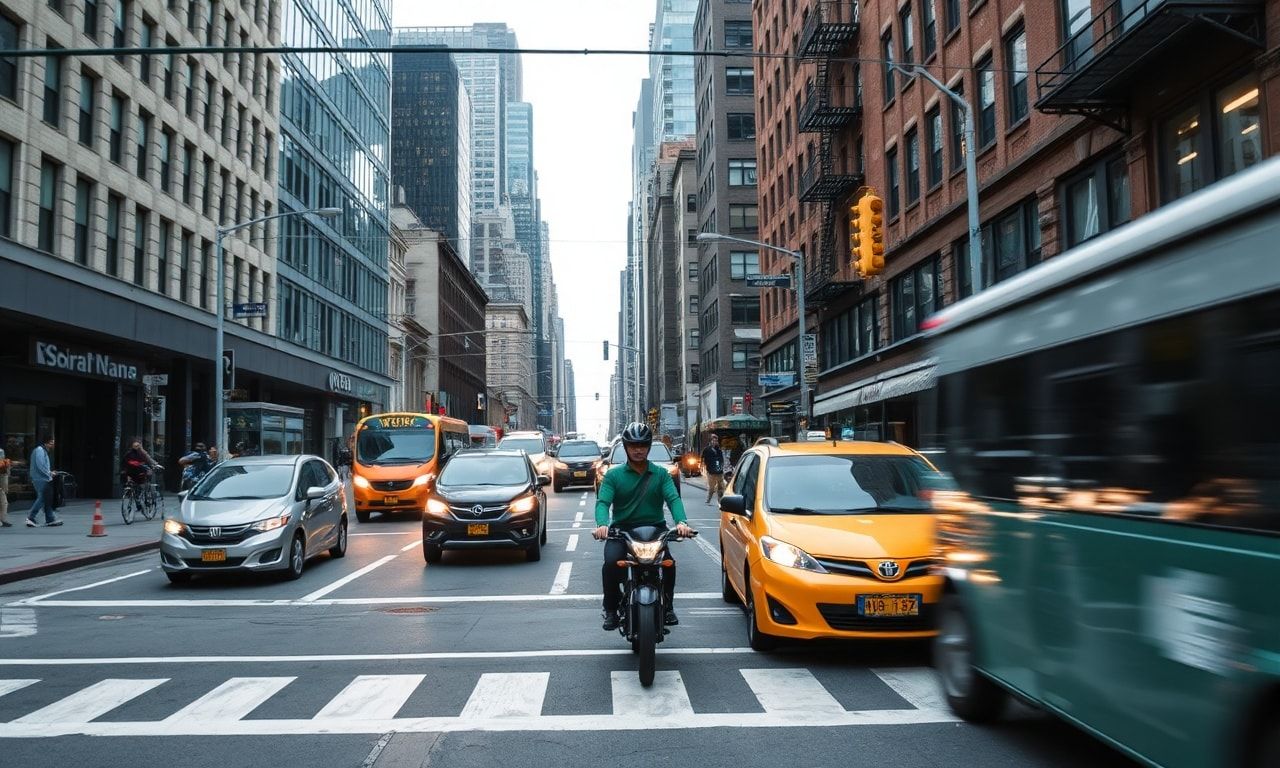

The Push for Sustainable Transportation
New York City, a metropolis known for its bustling streets and iconic yellow cabs, is undergoing a significant transformation in its approach to urban mobility. With the increasing need for sustainable and efficient transportation solutions, the city is exploring various initiatives to reduce traffic congestion, lower carbon emissions, and improve the overall quality of life for its residents. This shift is not only crucial for environmental reasons but also to keep pace with the technological advancements and changing preferences of urban dwellers.
Electric Vehicles and Charging Infrastructure
The adoption of electric vehicles (EVs) is one of the key components of New York City’s strategy to promote sustainable transportation. The city has been actively working on expanding its charging infrastructure to support the growing number of EVs on the road. According to recent data, there are now over 1,000 public charging stations across the five boroughs, with plans to install thousands more in the coming years. This expansion is part of a broader effort to reduce greenhouse gas emissions and combat climate change.
In addition to public charging stations, the city is also encouraging the installation of private charging points in residential and commercial buildings. This initiative aims to make EV ownership more accessible and convenient for New Yorkers. For those looking to purchase an EV, it’s essential to consider the availability of charging infrastructure and the reliability of the vehicle. A product reviews recommendation guide can be a valuable resource in this decision-making process, providing insights into the best EV models and their features.
Bike-Sharing and Micromobility
Bike-sharing programs have become an integral part of New York City’s transportation network. With over 12,000 Citi Bikes available for rent, the program has seen a significant increase in usage over the past few years. The city is also exploring the integration of other micromobility options, such as e-scooters, to provide residents with more flexible and eco-friendly transportation choices. These initiatives are expected to reduce the reliance on personal vehicles and alleviate traffic congestion in densely populated areas.
Public Transportation Enhancements
The Metropolitan Transportation Authority (MTA) is undertaking a series of upgrades to improve the efficiency and reliability of New York City’s public transportation system. These enhancements include the modernization of subway stations, the introduction of new train cars, and the implementation of advanced signaling systems. The goal is to provide a seamless and comfortable commuting experience for millions of daily riders. Additionally, the MTA is exploring the use of renewable energy sources to power its operations, further contributing to the city’s sustainability efforts.
Challenges and Future Prospects
Despite the progress made, New York City faces several challenges in its quest for sustainable urban mobility. One of the primary obstacles is the aging infrastructure, which requires significant investment and time to upgrade. Additionally, the city must address issues related to equitable access to transportation services, ensuring that all residents, regardless of their income or location, can benefit from these initiatives. Another challenge is the need for public awareness and education to encourage behavior change and promote the adoption of sustainable transportation options.
Looking ahead, New York City is poised to continue its efforts towards creating a more sustainable and efficient urban mobility system. By leveraging technology, investing in infrastructure, and fostering community engagement, the city can achieve its goals and set an example for other urban centers around the world. The journey towards sustainable mobility is complex and multifaceted, but with a concerted effort from policymakers, businesses, and residents, New York City can pave the way for a greener and more livable future.
In the world of sports, technology is playing an increasingly pivotal role, as explored in our latest feature, data’s impact on modern sports.
As news consumption habits continue to evolve, our latest analysis examines the complex landscape of 2023 to shed light on current trends and challenges in journalism.
In the ever-evolving landscape of journalism, understanding the intricacies of marketing can provide significant advantages; delve into the hidden world of marketing through an editor’s perspective.