
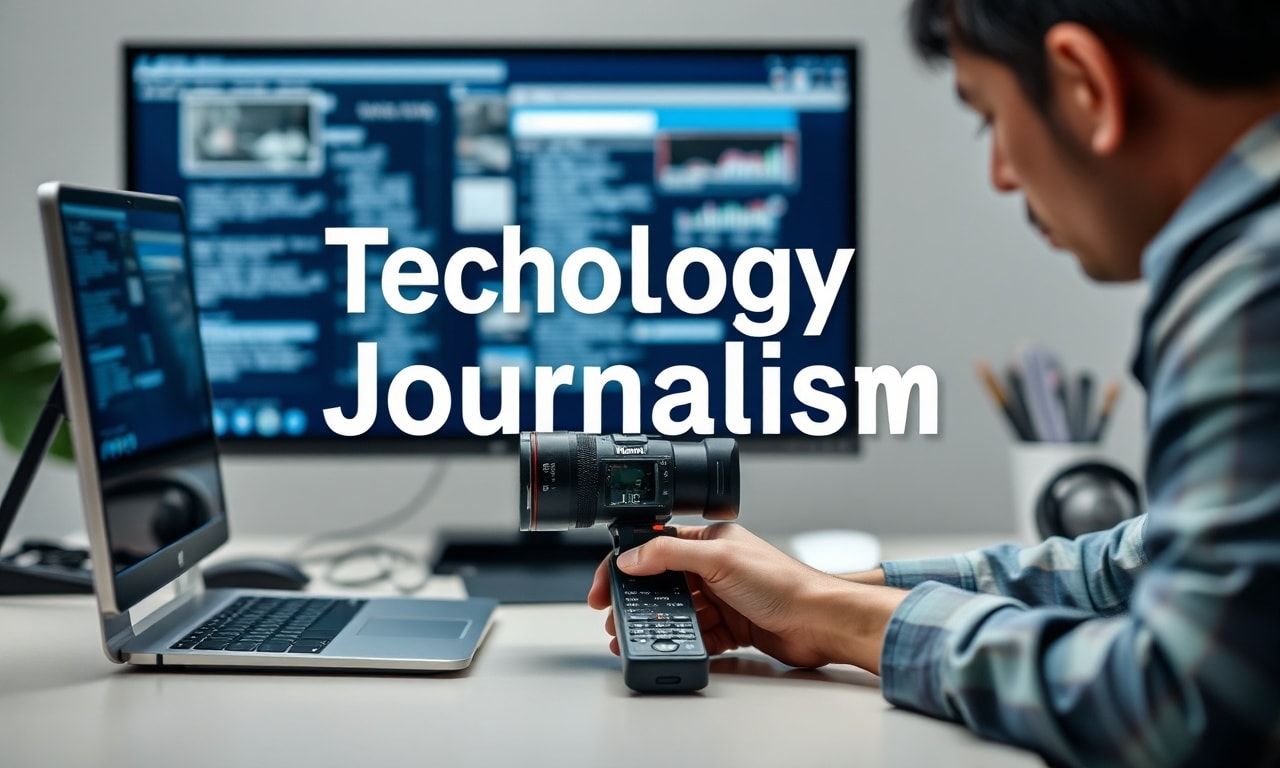

The Evolution of Newsrooms in the Digital Age
The landscape of journalism has undergone a profound transformation with the advent of digital technology. Newsrooms that once relied solely on typewriters and telephones now boast an array of sophisticated gadgets designed to streamline the news-gathering and dissemination process. This shift has not only accelerated the pace of news delivery but also enhanced the quality and depth of reporting.
From high-definition cameras to advanced audio recording devices, the tools available to journalists today are more powerful and versatile than ever before. These technological advancements have enabled reporters to capture and share stories in real-time, providing audiences with up-to-date information as events unfold. The integration of these gadgets into the workflow of modern newsrooms has become a critical factor in maintaining a competitive edge in the fast-paced world of journalism.
The Role of Gadgets in Enhancing Journalistic Efficiency
One of the most significant impacts of technology on journalism is the enhancement of efficiency. Gadgets such as smartphones, tablets, and laptops have become indispensable tools for journalists, allowing them to conduct research, write articles, and publish content from virtually anywhere. These devices are equipped with a range of applications that facilitate tasks such as data analysis, multimedia editing, and social media engagement.
For instance, journalists can use their smartphones to record high-quality video footage, take photographs, and conduct interviews on the go. This mobility has empowered reporters to cover breaking news stories more effectively, ensuring that critical information reaches the public in a timely manner. Additionally, the use of cloud-based storage solutions enables journalists to securely store and access their work from multiple devices, further streamlining the editorial process.
Innovations in Reporting: The Impact of Wearable Technology
Wearable technology has emerged as a game-changer in the field of journalism. Devices such as smartwatches and augmented reality (AR) glasses provide journalists with new ways to gather and present information. For example, AR glasses equipped with cameras and microphones can be used to capture immersive, first-person perspectives of events, offering viewers a more engaging and interactive experience.
Moreover, wearable technology can enhance the safety and security of journalists operating in high-risk environments. Smartwatches with biometric sensors can monitor a reporter’s vital signs, providing real-time data that can be crucial in emergency situations. This technology not only protects journalists but also ensures that they can continue to report on critical issues without compromising their well-being.
Gadget Reviews Detailed Analysis: A Resource for Journalists
For journalists seeking to stay informed about the latest technological advancements, resources such as gadget reviews detailed analysis can be invaluable. These platforms provide comprehensive evaluations of the latest gadgets, helping reporters make informed decisions about which tools to incorporate into their workflow. By staying abreast of the latest innovations, journalists can ensure that they are equipped with the best possible tools to carry out their duties effectively.
In addition to providing detailed reviews, these platforms often offer comparisons between different devices, highlighting their strengths and weaknesses. This information can be particularly useful for journalists working with limited budgets, as it allows them to identify the most cost-effective solutions without sacrificing quality. By leveraging these resources, journalists can make well-informed purchasing decisions that align with their professional needs.
The Future of Journalism: Embracing Technological Advancements
As technology continues to evolve, the future of journalism will undoubtedly be shaped by further advancements in gadgetry. Artificial intelligence (AI) and machine learning (ML) are already being integrated into newsrooms, automating routine tasks such as data analysis and transcription. These technologies free up journalists to focus on more complex and creative aspects of their work, ultimately enhancing the quality of reporting.
Furthermore, the rise of virtual reality (VR) and 360-degree video technology promises to revolutionize the way news is consumed. These immersive technologies allow audiences to experience events as if they were present, providing a deeper and more engaging understanding of the stories being reported. As these technologies become more accessible, they will likely become standard tools in the journalist’s arsenal, further enriching the field of journalism.
The intersection of technology and journalism is a dynamic and rapidly evolving landscape. As gadgets continue to shape the way news is gathered, analyzed, and disseminated, journalists must stay informed about the latest advancements to remain competitive. By embracing these technological innovations, reporters can enhance their efficiency, safety, and the overall quality of their work, ensuring that they continue to serve the public with accurate and timely information.