

I’m Tired of Fake Outrage
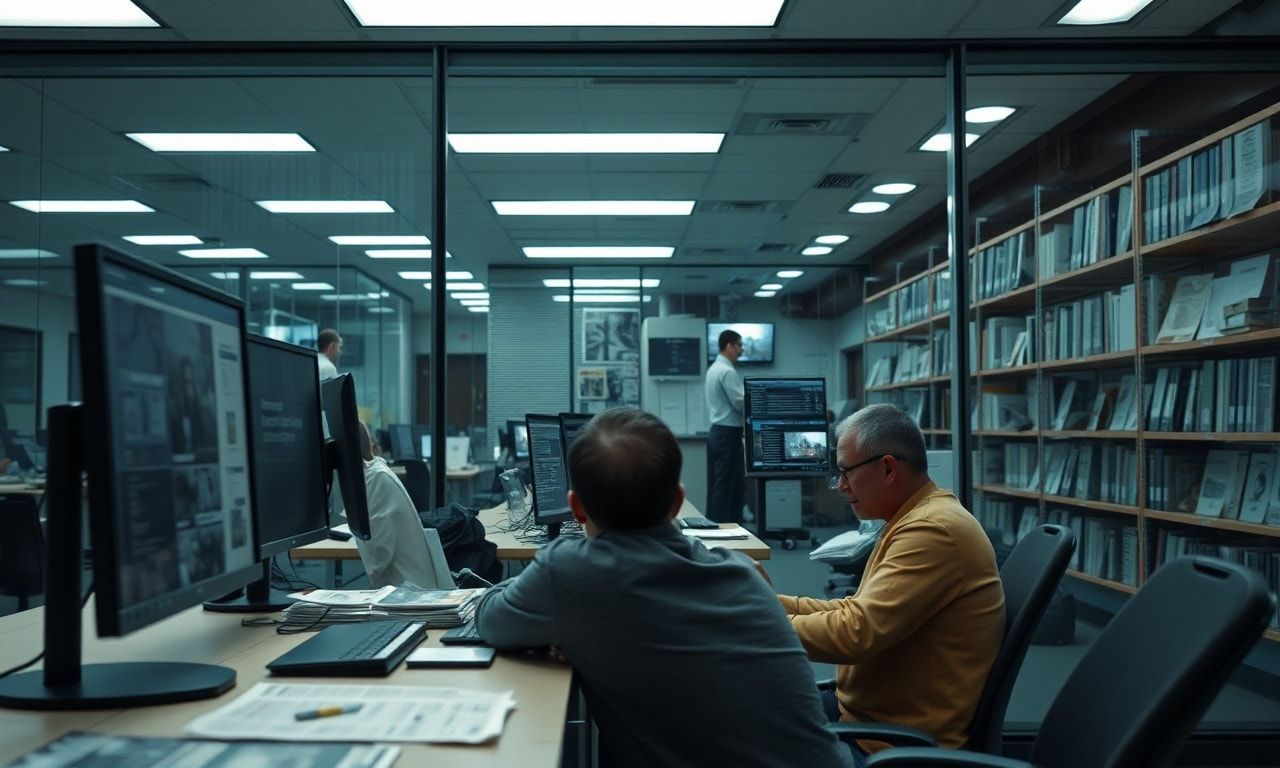
Look, I’ve been editing news for 22 years. I’ve seen alot of crap. But this year? It’s completley out of hand. Everyone’s so worked up about everything. And honestly? I’m over it.
I was at a barbecue last Tuesday with my buddy Marcus (let’s call him that, he’d hate the attention). He’s a teacher, right? So he’s like, “Sarah, you’re in the news biz, what’s the deal with all this outrage?” And I’m like, “Marcus, I don’t know, man. It’s like everyone’s just looking for a fight these days.”
He told me about this time he tried to discuss a school board decision with some parents. Next thing you know, he’s getting emails calling him every name in the book. All because he dared to say the quiet part out loud: nobody’s actually reading the articles.
Which… yeah. Fair enough. I mean, how many times have you seen someone share a headline and comment like they know what’s inside? Too many, that’s when.
But Here’s the Thing
We’re all guilty. I catch myself doing it too. You see a headline that pisses you off, you share it, you move on. You didn’t even read the damn thing. And that’s a problem.
I remember this one time, about three months ago, I was at a conference in Austin. Some big shot journalist was talking about engagement metrics. Blah blah blah. Then he said something that stuck with me: “You know what kills me? People sharing our stuff without clicking. It’s like they just wanna be mad.”
And that’s when it hit me. We’re not just consumers anymore. We’re performers. We share news to signal our virtues, our outrage, our whatever. But we’re not actually engaging with it.
It’s like we’re all in this weird feedback loop. News outlets churn out sensational headlines to get clicks. We share those headlines to get likes. And nobody’s better off for it.
But Wait, There’s More
Now, I’m not saying all news is bad. Far from it. There’s some incredible journalism out there. But it’s getting buried under all the noise.
Take my colleague Dave, for example. He’s been working on this investigation for months. It’s big, it’s important, it’s the kind of thing that could actually make a difference. But does anyone care? Nah. Because it’s not outrage-y enough.
I asked him about it over coffee at the place on 5th. He’s like, “Sarah, I’m tired. I’m tired of fighting for people to care about what matters.” And I get it. I really do.
But here’s the thing: we can’t just give up. We gotta find a way to cut through the noise. And honestly? I’m not sure how.
Maybe it starts with us. Maybe we need to actually read the articles we share. Maybe we need to actually think about what we’re consuming. Maybe we need to actually care about the truth.
I don’t know. It’s just… yeah.
But What About the Algorithms?
Look, I’m not gonna sit here and blame everything on the algorithms. But come on. They’re not helping.
I was talking to this tech guy, let’s call him Raj, at a thing last month. He’s like, “Sarah, the algorithms are designed to keep you engaged. And what keeps you engaged? Outrage. Controversy. Drama.” And I’m like, “So what you’re saying is, we’re screwed?” And he’s like, “Pretty much, yeah.”
But here’s the thing: algorithms change. Trends change. What doesn’t change is our committment to the truth. Or at least, it shouldn’t.
So maybe it’s time we all take a step back. Maybe we need to stop performing and start engaging. Maybe we need to actually read the news.
I know, I know. It’s not sexy. It’s not gonna get you likes. But it’s important. And honestly? It’s kinda our job as citizens.
But How?
So how do we do it? How do we cut through the noise? How do we actually engage with the news?
First off, stop sharing headlines without reading the articles. I mean, come on. It’s basic.
Second, diversify your sources. Don’t just read the same old stuff. Branch out. Find some new voices. You might learn something.
And third, support quality journalism. If you see something good, share it. If you see something bad, call it out. But do it thoughtfully. Do it with purpose.
And if you’re looking for a good place to start, check out this product buying guide comparison. I know it’s not news, but it’s a good example of what happens when you actually take the time to do your research.
Look, I’m not saying it’s gonna be easy. But it’s worth a shot. And honestly? We owe it to ourselves to try.
So let’s do better. Let’s engage. Let’s think. Let’s actually read the news.
And for the love of god, let’s stop performing.
About the Author: Sarah Mitchell has been a senior editor at New York City’s News for 22 years. She’s seen it all and has the caffeine addiction to prove it. When she’s not editing, she’s probably arguing about politics with strangers on the internet or trying to convince her cat to cuddle.
To gain a deeper perspective on navigating the complexities of news consumption, consider exploring this insightful piece on effective news consumption strategies that reflect the challenges of staying informed in today’s fast-paced media environment.