

Introduction
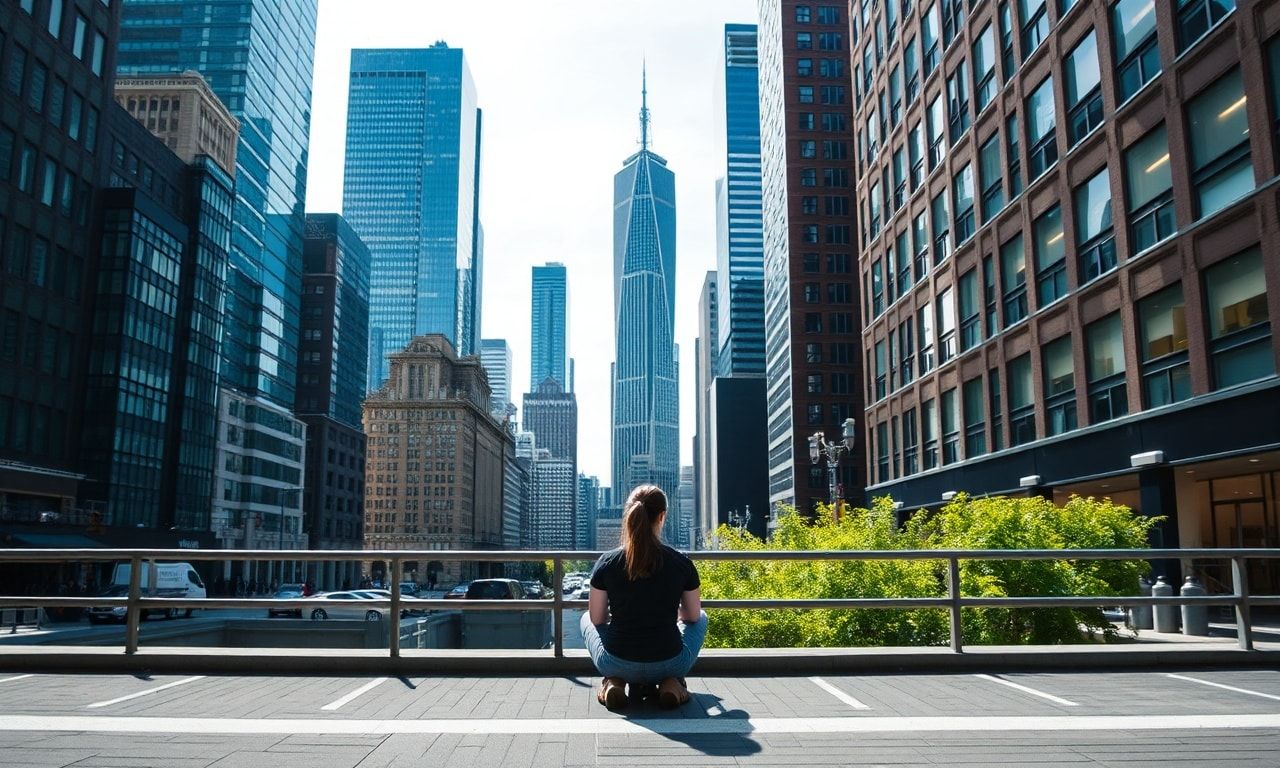
In the bustling metropolis of New York City, where the pace of life is relentless, a quiet revolution is taking place. Mindfulness, a practice rooted in ancient traditions, is gaining traction among city dwellers seeking respite from the chaos. This article explores the growing trend of mindfulness in NYC, its benefits, and how it is being integrated into daily life.
The Mindfulness Movement
The mindfulness movement has swept across the globe, and New York City is no exception. From corporate boardrooms to city parks, people are embracing mindfulness practices to combat stress and enhance well-being. The city’s fast-paced environment makes it an ideal breeding ground for this trend, as residents seek ways to find balance and inner peace amidst the urban hustle.
Mindfulness, often described as the practice of maintaining a moment-by-moment awareness of our thoughts, feelings, bodily sensations, and surrounding environment, is being adopted in various forms. Meditation, yoga, and mindful walking are just a few of the practices that have become popular. The city’s diverse population has also led to a rich tapestry of mindfulness practices, from traditional Buddhist meditation to modern, secular approaches.
Mindfulness in the Workplace
One of the most significant shifts is the integration of mindfulness into the workplace. Companies are recognizing the benefits of mindfulness for employee well-being and productivity. From Google to Goldman Sachs, major corporations are offering mindfulness training and meditation spaces for their employees. These initiatives aim to reduce stress, improve focus, and foster a more collaborative work environment.
For those new to mindfulness, resources like the mindfulness meditation beginners guide can be invaluable. These guides provide step-by-step instructions on how to start a mindfulness practice, making it accessible to everyone, regardless of their background or experience level.
Mindfulness in Education
Education is another sector where mindfulness is making waves. Schools in New York City are introducing mindfulness programs to help students manage stress and improve their academic performance. Programs like the Mindful Schools initiative have been implemented in various schools, teaching students techniques to stay focused and calm in the face of academic pressures.
Teachers, too, are benefiting from mindfulness training. By practicing mindfulness, educators can create a more positive and supportive learning environment. This not only enhances the students’ experience but also helps teachers manage their own stress levels, leading to a more harmonious classroom dynamic.
Mindfulness in Public Spaces
Public spaces in New York City are also becoming hubs for mindfulness activities. Parks, community centers, and even libraries are offering mindfulness classes and workshops. These spaces provide a welcoming environment for people to come together and practice mindfulness collectively, fostering a sense of community and shared well-being.
Central Park, for instance, has become a popular spot for outdoor mindfulness sessions. Yoga classes, meditation circles, and mindful walking groups are regularly held, attracting both locals and tourists. These activities not only promote mental wellness but also encourage people to connect with nature, which is a key aspect of mindfulness practice.
The Role of Technology
Technology is playing a crucial role in the mindfulness movement. With the rise of mindfulness apps and online resources, practicing mindfulness has never been easier. Apps like Headspace, Calm, and Insight Timer offer guided meditations, mindfulness exercises, and educational content, making it convenient for people to incorporate mindfulness into their daily routines.
These technological advancements have democratized mindfulness, making it accessible to a broader audience. Whether commuting on the subway or taking a break at work, people can easily access mindfulness resources and practice anytime, anywhere.
Challenges and Considerations
While the mindfulness movement is gaining momentum, it is not without its challenges. Critics argue that mindfulness can be commercialized and stripped of its deeper spiritual roots. There is also a concern that mindfulness is being promoted as a panacea for all ailments, which can lead to unrealistic expectations and disappointment.
Moreover, the fast-paced nature of New York City can make it difficult for people to find the time and space to practice mindfulness. Balancing work, family, and social commitments can be challenging, and mindfulness practices often require a significant time investment. However, as awareness grows and more resources become available, these challenges can be overcome.
Conclusion
The mindfulness movement in New York City is a testament to the city’s resilience and adaptability. As more people recognize the benefits of mindfulness, it is becoming an integral part of the city’s cultural fabric. From the workplace to the classroom, and from public spaces to technological platforms, mindfulness is transforming the way New Yorkers approach mental wellness.
As the movement continues to grow, it is essential to approach mindfulness with an open mind and a willingness to explore. By embracing mindfulness practices, New Yorkers can find balance, reduce stress, and enhance their overall well-being, contributing to a healthier and more harmonious city.