
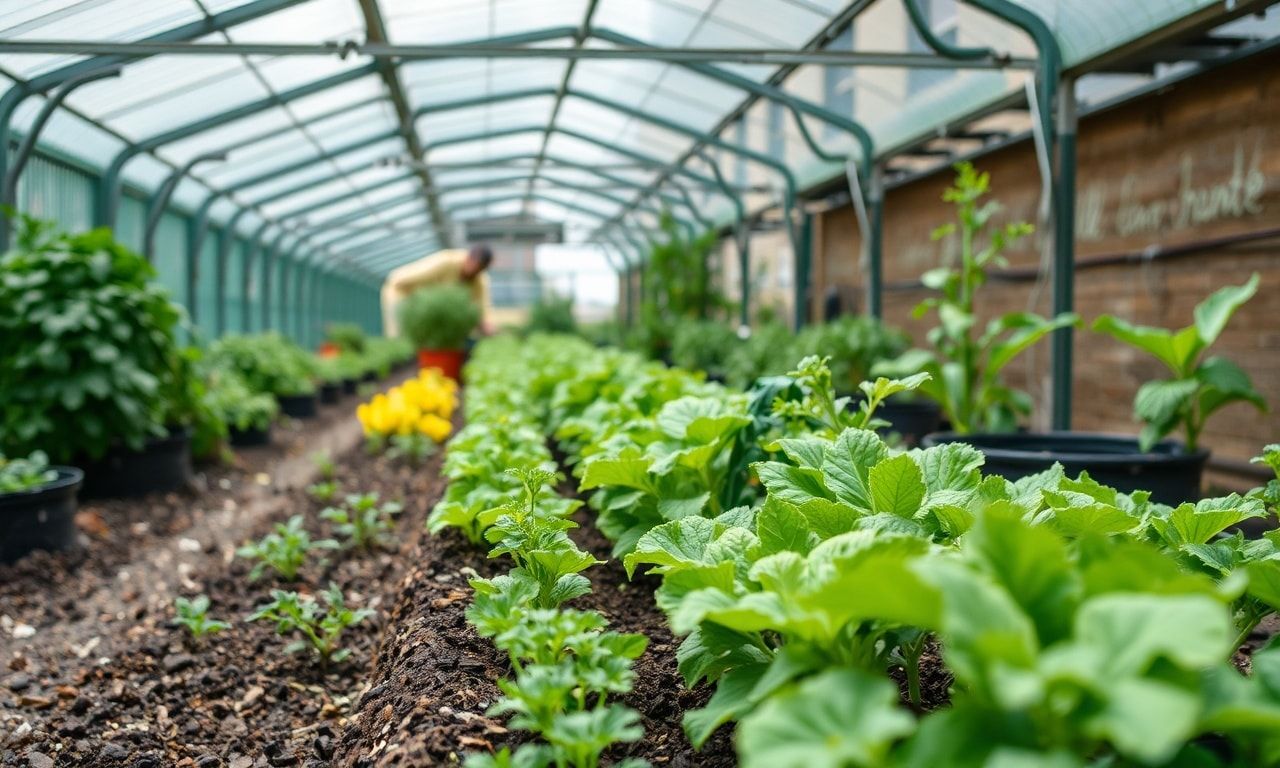

The Rise of Urban Farming in NYC
New York City, a bustling metropolis known for its towering skyscrapers and vibrant streets, is witnessing a green revolution. Urban farming initiatives are sprouting up across the city, transforming rooftops, vacant lots, and even schoolyards into lush, productive green spaces. This movement is not only providing fresh, locally grown produce to city dwellers but also fostering community engagement and promoting sustainability.
The Benefits of Urban Farming
Urban farming offers a multitude of benefits. It reduces the carbon footprint associated with transporting produce from rural areas, ensures a steady supply of fresh, organic food, and creates green jobs. Moreover, urban farms serve as educational hubs, teaching residents about agriculture, nutrition, and environmental stewardship. They also contribute to the city’s aesthetic appeal, turning concrete jungles into verdant oases.
One of the most notable examples of this trend is the Duxbury farmers market vendors, who have successfully integrated urban farming into their business models. These vendors not only provide a platform for local farmers but also educate consumers about the importance of sustainable agriculture. Their efforts have significantly contributed to the growth of urban farming in New York City.
Notable Urban Farming Projects
Several urban farming projects have gained prominence in New York City. The Brooklyn Grange, for instance, is one of the world’s largest rooftop farms, spanning over two and a half acres across three locations. It produces tens of thousands of pounds of organic vegetables and herbs annually, which are sold to local restaurants and at farmers’ markets.
Another notable project is the Gotham Greens, a hydroponic farm located in the heart of Brooklyn. This innovative farm uses advanced technology to grow a variety of leafy greens, herbs, and tomatoes year-round. The produce is sold to nearby grocery stores and restaurants, ensuring that New Yorkers have access to fresh, locally grown food regardless of the season.
Community Engagement and Education
Urban farming initiatives are not just about growing food; they are about building communities. Many urban farms offer workshops and volunteer opportunities, allowing residents to learn about sustainable agriculture and connect with their neighbors. For example, the New York Restoration Project’s GreenThumb program supports community gardens across the city, providing resources and training to local gardeners.
Schools are also getting involved in the urban farming movement. The Green Schoolyard Program, for instance, transforms schoolyards into vibrant, educational green spaces. These school gardens serve as outdoor classrooms, where students can learn about science, ecology, and nutrition while engaging in hands-on activities.
The Future of Urban Farming in NYC
The future of urban farming in New York City looks promising. With increasing awareness about the importance of sustainability and the benefits of locally grown food, more and more people are getting involved in urban farming initiatives. The city government is also supporting these efforts through various programs and policies aimed at promoting urban agriculture.
As urban farming continues to gain momentum, it is expected to play a significant role in shaping the future of New York City. By transforming vacant lots and rooftops into productive green spaces, urban farming not only provides fresh, locally grown food but also fosters community engagement, promotes sustainability, and enhances the city’s aesthetic appeal.
To gain a deeper understanding of local politics in action, consider exploring recent town hall insights and their impact on community engagement.
As local governance continues to evolve, our latest piece, recent town hall meeting insights, offers an in-depth analysis of the challenges and discussions shaping our communities.
In the midst of Sheffield’s dynamic news landscape, the city’s evolving food culture is making headlines, with our latest feature, Sheffield’s thriving food scene, offering a tantalizing exploration of the city’s gastronomic growth.