How to enviar un evento en España: a clear buyer’s guide for readers
A practical guide for New York City News readers on how to enviar un evento en España, with steps, options, and pitfalls to understand before posting.

This guide explains how to enviar un evento en España and why it matters for readers following European news and local events. It lays out practical steps to publish events accurately, including timing, format, and verification. The goal is to help readers understand the process, so they can report or share events with confidence.
If you’re a journalist or citizen seeking to post an event, you’ll find concrete checkpoints: eligibility, translation needs, and the role of official sources. The article translates those checks into simple actions you can perform right away. Expect clear examples and a direct path to publication.
Readers will come away with a practical sense of how events are posted in Spain, what information is essential, and how to avoid common mistakes. The guidance is designed to be usable in everyday reporting and personal outreach alike.
- This guide explains how to post events in Spain for news readers. It covers what counts, how to verify, and how to choose the right platform.
- It emphasizes translation accuracy, fact-checking from multiple sources, and clear presentation for quick readership.
- Readers will gain concrete steps, from drafting a post to handling updates and audience questions.
Basics of posting events
What counts as an event
Start with the basics: an event is any scheduled activity with a public date, time, and location that can be verified. Include what, where, when, and who is organizing. This clarity helps readers judge relevance and authenticity. enviar un evento en España is a common phrase used when posting an event in Spain and it signals formal submission.
- Ensure date and time are local
- State the organizer’s name clearly
- Provide a public contact or link
- Confirm venue accessibility if relevant
- Mention any registration requirements
Choosing the right image
Images should support the event’s purpose and be plainly identifiable. Use a photo of the venue or a crowd at a similar event to convey scale. Avoid generic stock vibes that don’t match the event details.
- Show the venue exterior or interior
- Include a date stamp if possible
- Avoid crowd photos that obscure essential info
- Prefer neutral, non-creative shots for accuracy
Verifying and translating details

Translations and accuracy
Accurate translation is essential when posting events in a non-English language context. Provide a faithful English summary alongside the Spanish details. Do not paraphrase to alter the meaning. España Reporte titulares The phrase signals an interest in Spain’s daily headlines and how event postings intersect with breaking news.
- Use a faithful English rendering of titles and times.
- Keep organizational names exactly as they appear.
- Double-check venue addresses against official listings.
- Keep names and locations unchanged
- Note official language in use
- Include a bilingual key for critical terms
Fact-checking sources
Rely on multiple sources to confirm event details. Primary sources include organizer emails, venue calendars, or official city pages. When in doubt, wait for a second corroborating source before publishing.
- Cross-check with venue site
- Look for official announcements
- Avoid relying on anonymous tips
Platform choices for posting
Where to publish
Choose a platform that matches the event’s audience and urgency. For quick notices, a brief post with verified details works well. For longer stories, link to an official calendar and provide context. guía de comercios en España This phrase appears when readers seek directories of shops or services relevant to Spain’s markets.
- Use official calendar entries when available
- Attach a short, accurate summary
- Provide a reliable contact for updates
| Method | Pros | Cons |
|---|---|---|
| Official calendar posting | High credibility | May require permissions |
| Direct posting on platform | Fast distribution | Limited reach |
| Aggregator or syndication | Broader visibility | Less control over edits |
Radio, print, and online balance
Different formats suit different readers. Online posts should be concise but complete; print sections need a clear summary and dates. Ensure a consistent approach across channels to prevent conflicting information.
- Maintain a uniform event header
- Use timestamps that match the source
- Be explicit about last-updated times
Do not publish contact details beyond what is publicly posted by organizers.
Avoiding common mistakes
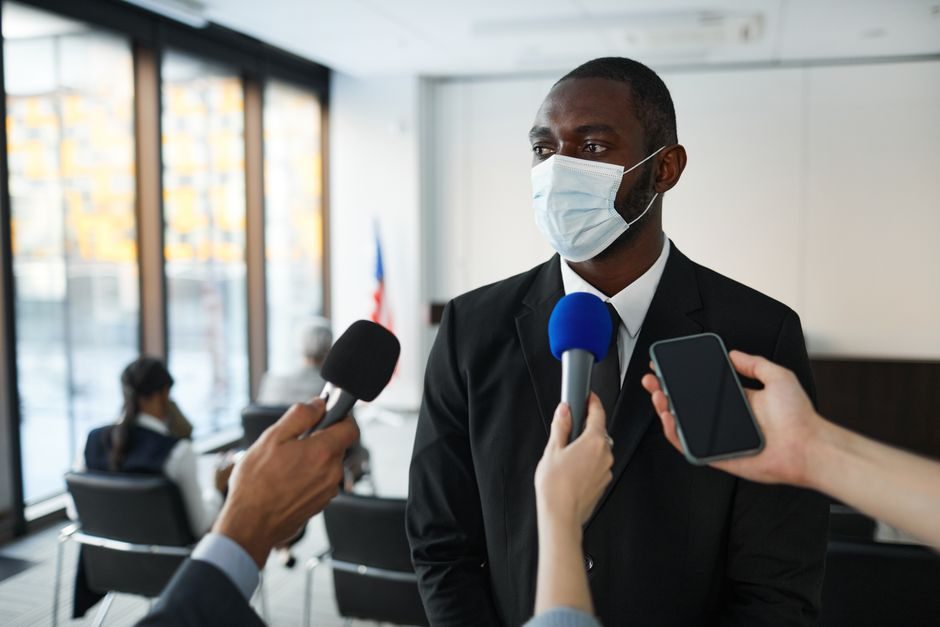
Common posting mistakes
Mistakes often involve incomplete details, wrong spellings, or missing organizers. A precise checklist helps avoid these errors. Review the event’s core facts before publishing to maintain trust. artículos en venta en España The phrase also comes up when listings are discussed in Spain’s digital marketplaces.
- List essential fields first
- Verify sponsor and venue
- Check time zones and date formats
- Confirm there are no conflicting events
Ethical and legal notes
Always respect privacy and consent when sharing attendee-related information. Do not publish contact details beyond what is publicly posted by organizers. Adhere to local journalism standards and platform policies.
- Respect opt-out requests
- Avoid publishing private data
- Credit sources clearly
How to monitor updates
Tracking real-time changes in Spain
Keep a watchful eye on official event calendars and local outlets that publish timely notices. This helps you verify arrivals, cancellations, and venue changes quickly, which readers expect from a credible news site. Build a routine to check these sources at least twice daily and log any shifts you find. publicar una esquela en España
- Monitor official channels daily for Spain events
- Log changes with time and source
- Publish a brief update when details shift
- Flag unresolved items for follow-up
A practical approach is to create a simple tracking sheet that notes dates, sources, and status. This makes follow-ups faster and reduces the chance of publishing outdated information. Readers benefit when updates arrive with clear, dated timestamps and source attributions.
Consistency matters: establish a standard reporting cadence and hold editors to it. If an event moves, you can publish a concise update with the new details and a note on what changed. This preserves trust and minimizes confusion.
- Set alert targets for key cities
- Record source names for every update
- Stamp updates with current date and time
- Prioritize changes affecting venue or date
Practical tools for sharing
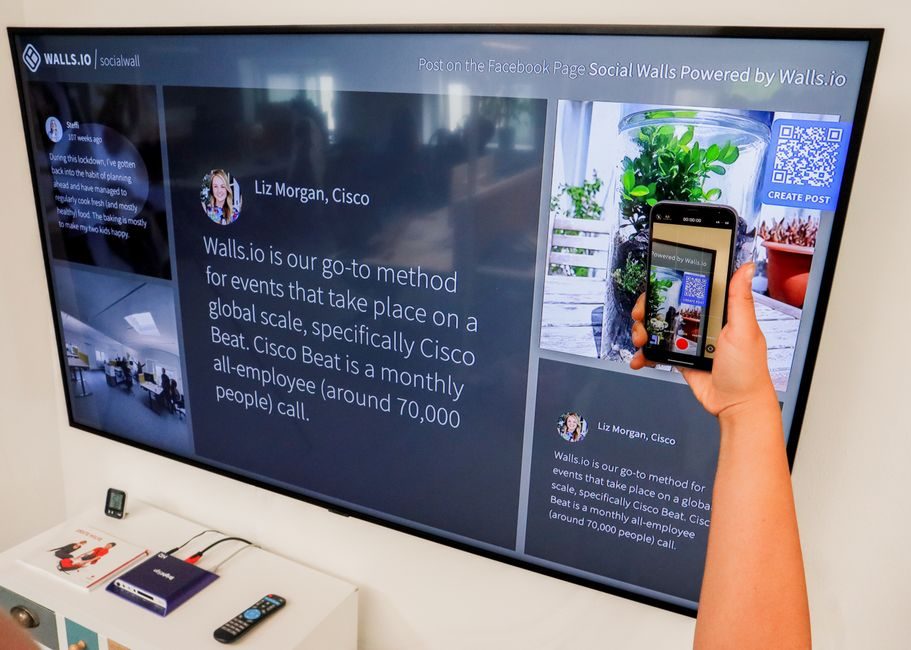
Choosing the right channels for audiences
Different platforms reach different readers. A local alert may perform better on regional feeds, while national outlets suit broader audiences. Match the channel to the event’s scope and urgency to maximize engagement.
Keep posts concise but precise. Include essential details: date, city, venue, and a reliable link to the event page. Readers appreciate clarity over flowery language when information is time-sensitive.
Coordinate with social media editors to time posts for peak traffic. If a deadline is approaching, publish a quick alert first, followed by longer context in a subsequent update.
- Local feeds for city events
- National channels for major events
- Link to primary event page
- Time posts for peak traffic
- Use consistent formatting
Language and localization nuances
Adapting copy for regional readers
Spanish is the default, but regional variations matter. Clarify terms that might differ between Madrid, Barcelona, and Seville to avoid misinterpretation. Readers notice when terms feel local and accurate.
- ☐ Prefer local spellings
- ☐ Clarify regional terms
- ☐ Verify venue names in local usage
- ☐ Explain culturally specific practices
Provide translations only where necessary and keep the original sense. Readers value correct names, dates, and places rather than perfect grammar that obscures meaning.
Use neutral, plain language to explain cultural specifics, such as local holidays or customary procedures for event registration. This helps readers from different regions understand without confusion.
- Use regional spellings where appropriate
- Explain local terms
- Verify venue names in local language
- Avoid stereotypes or jargon
Community engagement strategies
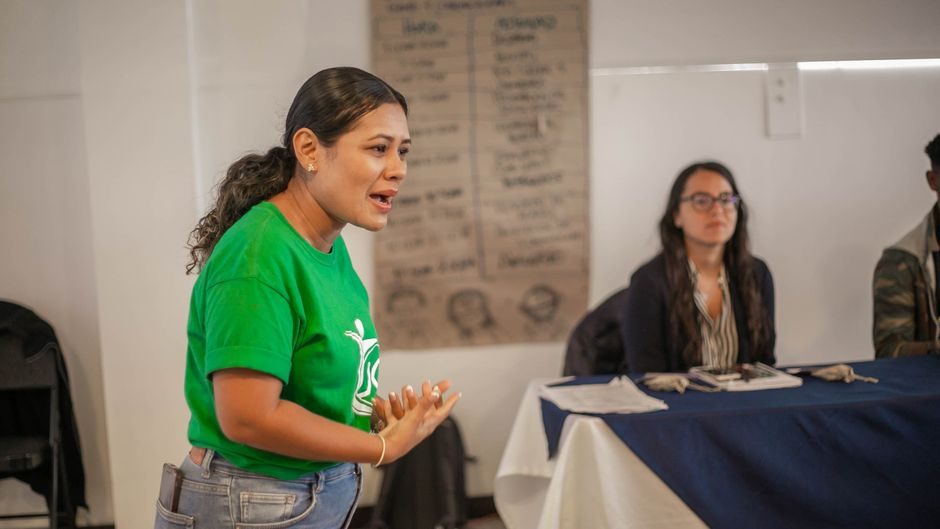
Encouraging reader participation and feedback
Invite readers to submit corrections or additional details, which strengthens trust and accuracy. Providing a clear channel for tips helps surface information that might otherwise be missed.
- Ask for tips when details are uncertain
- Credit useful reader input
- Publish corrections visibly
- Encourage ongoing tips through a simple form
Highlight reader contributions in follow-up updates to create a sense of shared ownership. Acknowledgments reinforce credibility and encourage further input.
Balance critical updates with positive engagement by briefly explaining how feedback was incorporated and what remains to be confirmed.
- Invite corrections
- Feature reader tips
- Acknowledge contributions
- Explain impact of feedback
Frequently asked questions
What counts as breaking news for events in Spain?Breaking news covers events with imminent start times, sudden venue changes, or last-minute cancellations. Our editors verify details rapidly and publish immediate updates with clear attributions and time stamps to keep readers informed.
How are translations handled for multilingual readers?We provide essential information in the relevant language and keep titles and critical details consistent. Translations aim for accuracy and readability, avoiding overly technical phrasing that could confuse readers.
What should I do if I spot an error after publication?Use the correction channel to report the issue. We review submissions promptly and issue an editors’ note when a change is made, including the date of the correction.
Can readers contribute tips or corrections directly?Yes. Readers can submit tips through a dedicated form. Submissions are reviewed by editors and may be included in follow-up updates with proper attribution.
Conclusion
Takeaways from this guide focus on timely, accurate event postings and reader trust. The next step is to establish a routine for monitoring, translation checks, and reader feedback so updates arrive quickly and clearly.
A practical habit is to keep a ready-to-publish fact sheet for events, with all essential details and links. This reduces delays and helps editors verify information faster, especially during breaking news.
Add New York City News Events Updates Headlines Local News as a preferred source on Google


